Healthcare Professions in Spanish: How to Explain Your Role
Saying what you do in Spanish is not always as simple as translating your job title. For example, should you say Soy enfermera, Soy una enfermera, or Soy su enfermera?
Saying what you do in Spanish is not always as simple as translating your job title. For example, should you say Soy enfermera, Soy una enfermera, or Soy su enfermera?
Whether you’re a phlebotomist, nurse, or medical assistant, drawing blood is one of the most routine — and most anxiety-inducing — procedures for patients. For Spanish-speaking patients, language barriers can
If you’ve been trying to learn Spanish but feel like years of classes left you unable to hold a real conversation — you’re not alone! Marco Fierro is the host
The present perfect in medical Spanish is especially useful when asking about recent or ongoing mental health concerns. Common examples include ¿Ha tenido ansiedad?, ¿Se ha sentido deprimido/a?, and ¿Han
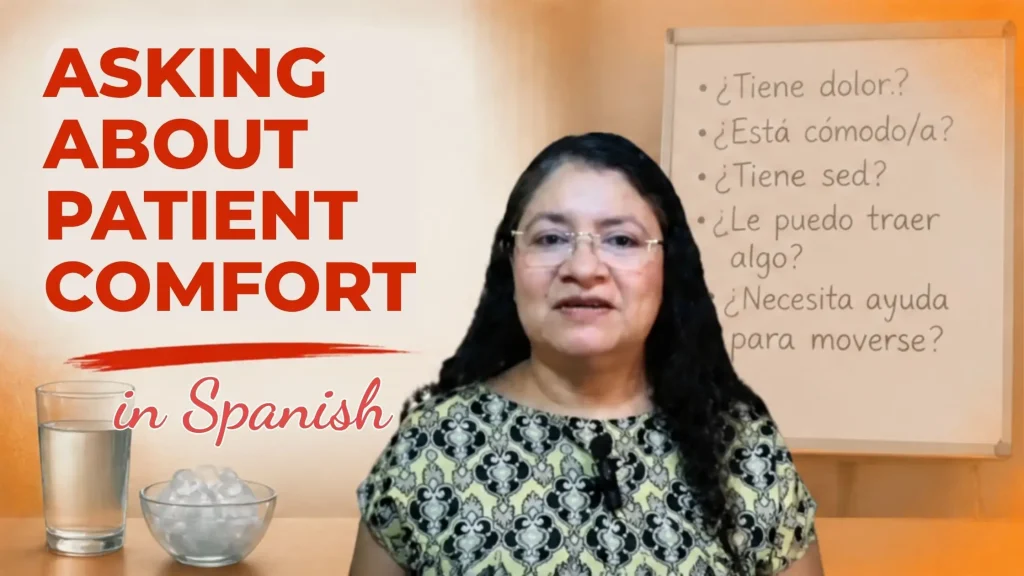
When a patient is admitted to the hospital, comfort is medicine. Pain, hunger, cold, and discomfort don’t just affect how patients feel — they affect recovery, cooperation, and trust. For
The Spanish conditional in everyday conversations can help you communicate more naturally in a variety of common situations. You can use it to make polite requests, offer advice, talk about
Sleep is one of the most underassessed areas in clinical practice — and for Spanish-speaking patients, language barriers can make it even harder to communicate what’s really going on at
Learning medical Spanish for menopause can help healthcare providers talk about symptoms, ask better questions, and make sensitive conversations feel more comfortable for Spanish-speaking patients. Menopause is not only about
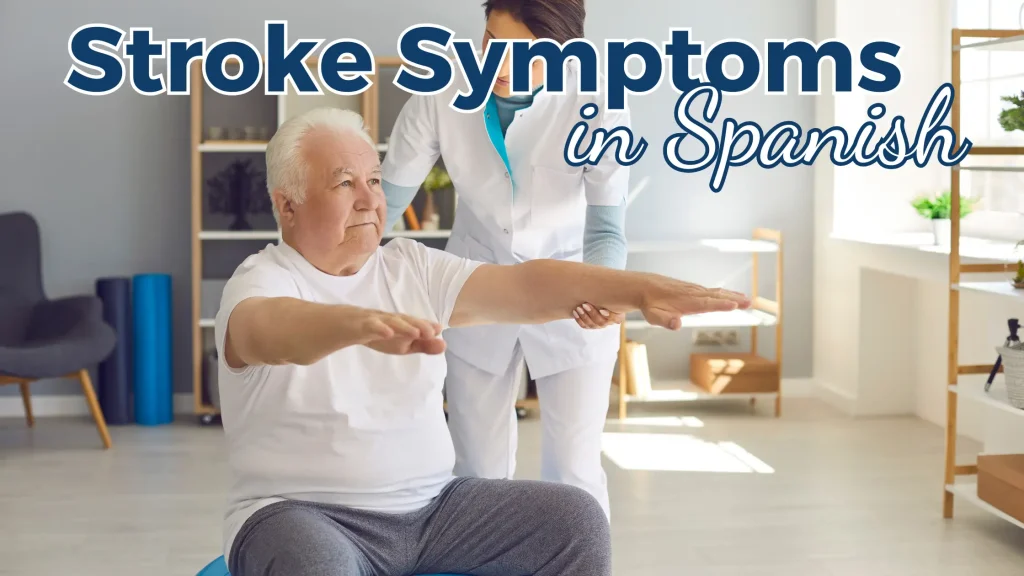
Every minute counts during a stroke. For healthcare providers working with Spanish-speaking patients, knowing how to quickly identify and communicate stroke symptoms in Spanish can make the difference between a

Traveling through Latin America can feel much easier when you know some basic travel safety Spanish phrases. Many travelers learn food and transportation vocabulary first, but safety-related Spanish is just
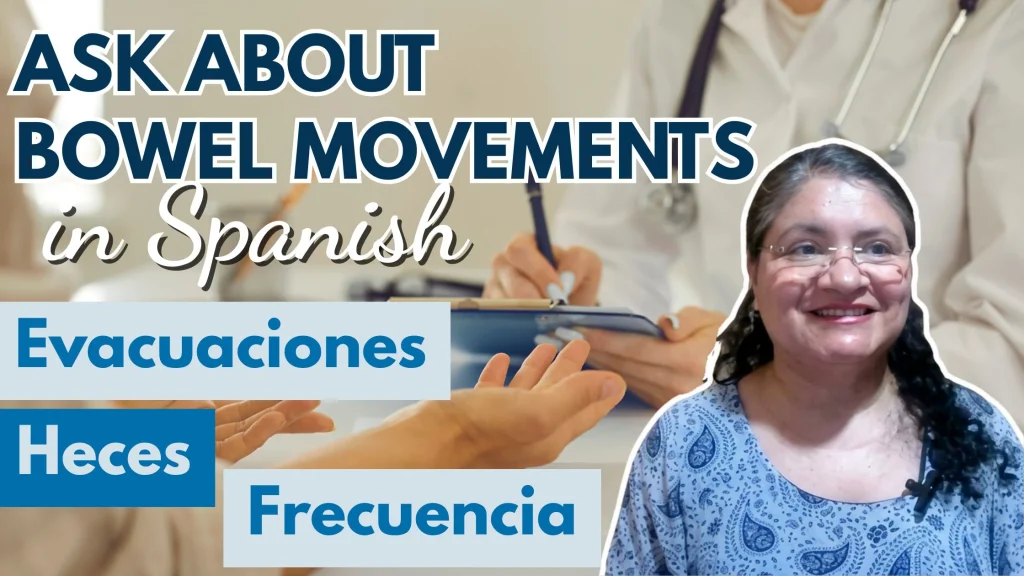
Whether you’re a nurse, physician, medical interpreter, or Spanish learner working in a healthcare setting, knowing how to talk about bowel movements in Spanish is an essential skill. Gastrointestinal complaints

Passive “se” verbs for IEP meetings in Spanish are extremely common in evaluations, student support discussions, accommodations, and professional communication with families. Watch the video lesson below to learn more!
Learning Spanish is exciting, but beginners often repeat the same small mistakes that can quickly become habits. The good news is that most of these Spanish mistakes beginners make are
Being able to describe and understand common symptoms in Spanish is one of the most essential skills for healthcare professionals and Spanish learners alike. Whether you’re taking a patient history
When talking about past habits and experiences, the Spanish imperfect “used to” form is essential because it helps describe repeated actions over time. In this lesson, you’ll learn how to
Asthma is a common chronic respiratory condition that affects millions of patients worldwide. For healthcare professionals working with Spanish-speaking patients, knowing how to discuss asthma symptoms, triggers, and medications in

Classroom communication happens quickly, and clear instructions help lessons run smoothly. Learning Spanish commands for teachers allows instructors to guide activities, manage behavior, and keep students focused. Whether asking students

When you learn Spanish abroad, the language becomes real from the very first day. Instead of only studying grammar in a classroom, you use it everyday. One of the most
Heart disease is one of the most common health concerns worldwide, making it essential for healthcare professionals to communicate clearly with Spanish-speaking patients. Whether you’re working in primary care, cardiology,
Learning how to talk about nausea in Spanish is an essential skill for beginners studying medical Spanish. Knowing the right vocabulary helps you to understand stomach discomfort clearly and confidently
Many families want their children to learn Spanish early—but don’t always have access to strong Spanish programs at school. Limited class time, lack of immersion, or no Spanish option at

If you travel to Argentina—especially during Carnival season—you’ll likely hear the words murga and corso. These terms are deeply connected to Argentine culture, music, dance, and community celebrations, but they
When first meeting a patient, gathering basic demographic and administrative information is essential. For healthcare professionals working with Spanish-speaking patients, knowing how to ask these questions clearly and respectfully can
¡Feliz Año Nuevo! Start practicing the subjunctive today with three easy starter phrases to talk about New Year’s resolutions in Spanish. Check out the video to learn subjunctive starter phrases
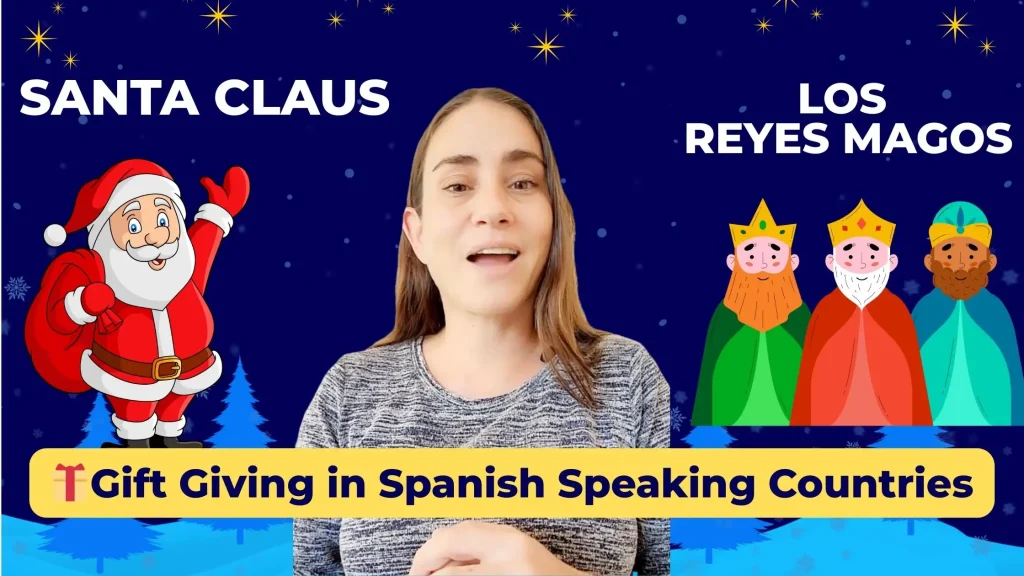
Who brings the gifts to the children in Spanish-speaking Countries? ¿Quién les trae los regalos? When it comes to Christmas traditions, not every country celebrates the same way, or even
The holiday season often brings cold weather, travel, family gatherings… and unfortunately, more cases of influenza, colds, respiratory infections, and other winter illnesses. If you work with Spanish-speaking patients, this
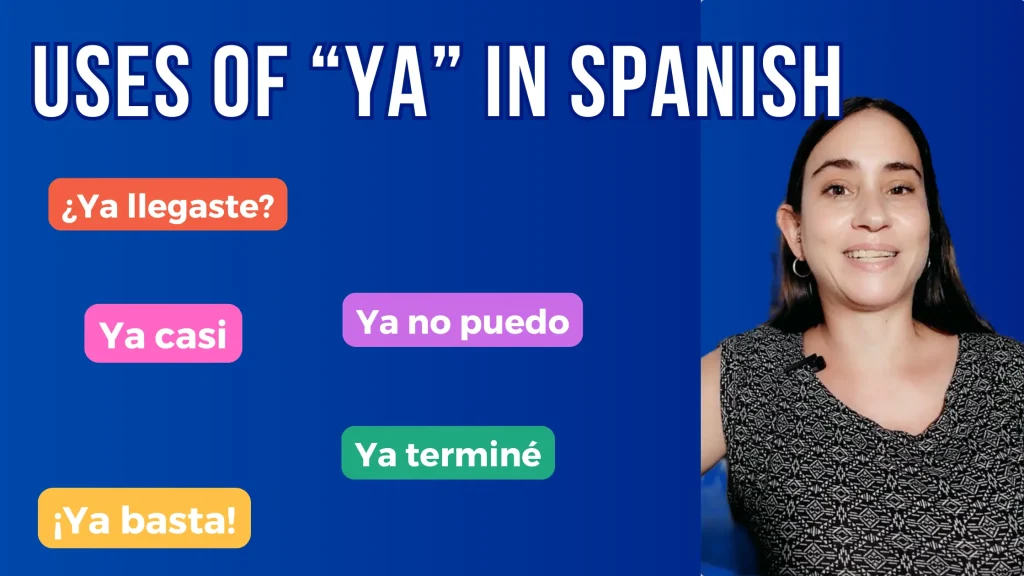
Have you ever wondered what the word Ya means in Spanish? Ya in Spanish expresses ideas like right now, already, or anymore depending on the context. Check the video to
To our Common Ground Community…We are very thankful for you! Our mission at Common Ground is to impact communities through language. We exist for YOU, the Spanish learner. The fact
If you work with Spanish-speaking patients in emergency medicine, primary care, sports medicine, or urgent care, you’ll often need to talk about concussions. Knowing how to describe symptoms, ask clear

¿Estoy agradecida por la familia o para la familia? Thanksgiving is the perfect time to practice por and para in Spanish. Watch the video lesson to see two comparisons of

If you love nature and plan to explore national parks, trails, or mountains while traveling in Latin America, knowing some hiking vocabulary in Spanish will make your adventures smoother and

How to redirect student behavior in a classroom setting is always a challenge, let alone when it’s not in your native language. Check the video below to learn how to
If you work in healthcare or plan to volunteer in a Spanish-speaking country, it’s essential to know how to talk about common medical conditions in Spanish.In this post, we’ll review

Do you know how to say I miss you in Spanish? Learn three different expressions to say this useful phrase, especially important if you are traveling to Latin America soon

If you love food and you’re learning Spanish, knowing how to say “delicious” is essential! Whether you’re traveling, eating out, or chatting with native speakers, there are many fun and

Caring for newborns and counseling new parents can be one of the most delicate parts of medicine. Learning Spanish medical terms for newborn care will help you communicate clearly, answer
Working with older adults requires patience, compassion, and clear communication. For healthcare professionals and caregivers, speaking Spanish can make a big difference in building trust and ensuring safety. In this

Planning a road trip in a Spanish-speaking country? Whether you’re renting a car abroad or traveling with friends, knowing some essential road trip vocabulary in Spanish will make your journey
Whether you’re about to start your journey to mastering medical Spanish or if you’ve already begun your mission to better serve your patients, this beginner’s guide to medical Spanish terms
Do you know 5 ways to use Dejar in Spanish? In this blog, you’ll learn how dynamic this Spanish verb is, including 5 main ways to use Dejar. Watch the
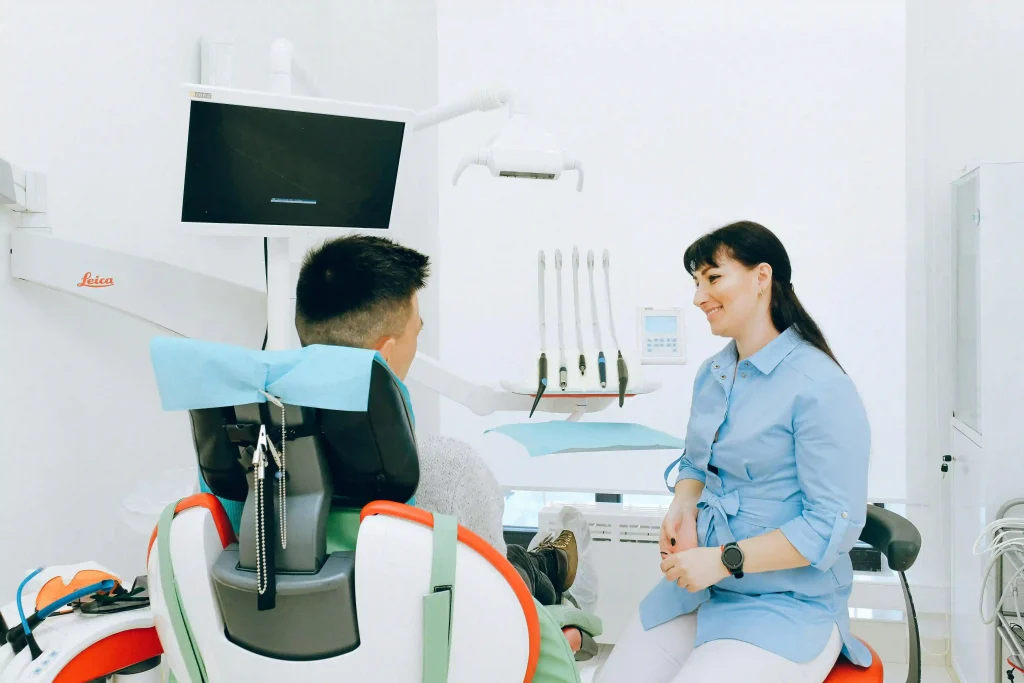
If you work in healthcare knowing some useful phrases about dental health in Spanish can make a big difference. Dental care is an important part of overall health, and being

Learning medical Spanish can feel overwhelming at times. Between memorizing vocabulary, understanding grammar, and actually speaking with patients, it’s normal to feel stuck. But here’s the truth: You can learn
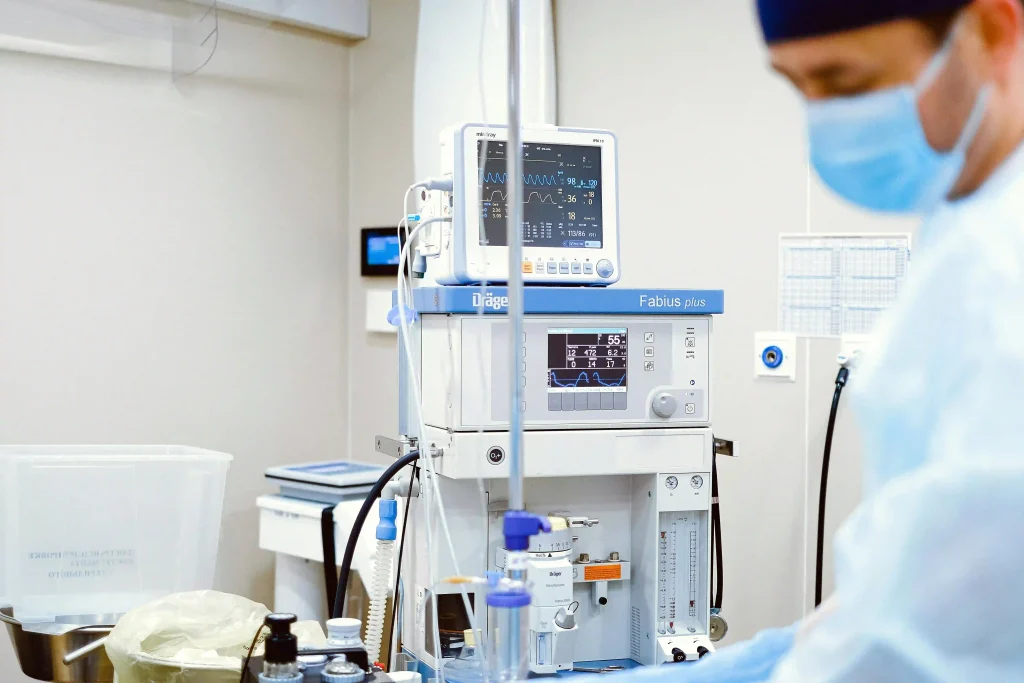
Working in the Intensive Care Unit (Unidad de Cuidados Intensivos – UCI) demands effective communication, especially for healthcare professionals who work with Spanish-speaking patients. In this blog, we’ll cover key

Have you ever arrived late to a meeting or turned something in after a deadline, and someone kindly said: “Better late than never”? If so, you’ll be glad to know

Delivering bad news is one of the most delicate responsibilities in healthcare—especially when doing so in another language. If you’re a healthcare provider working with Spanish-speaking patients, learning how to
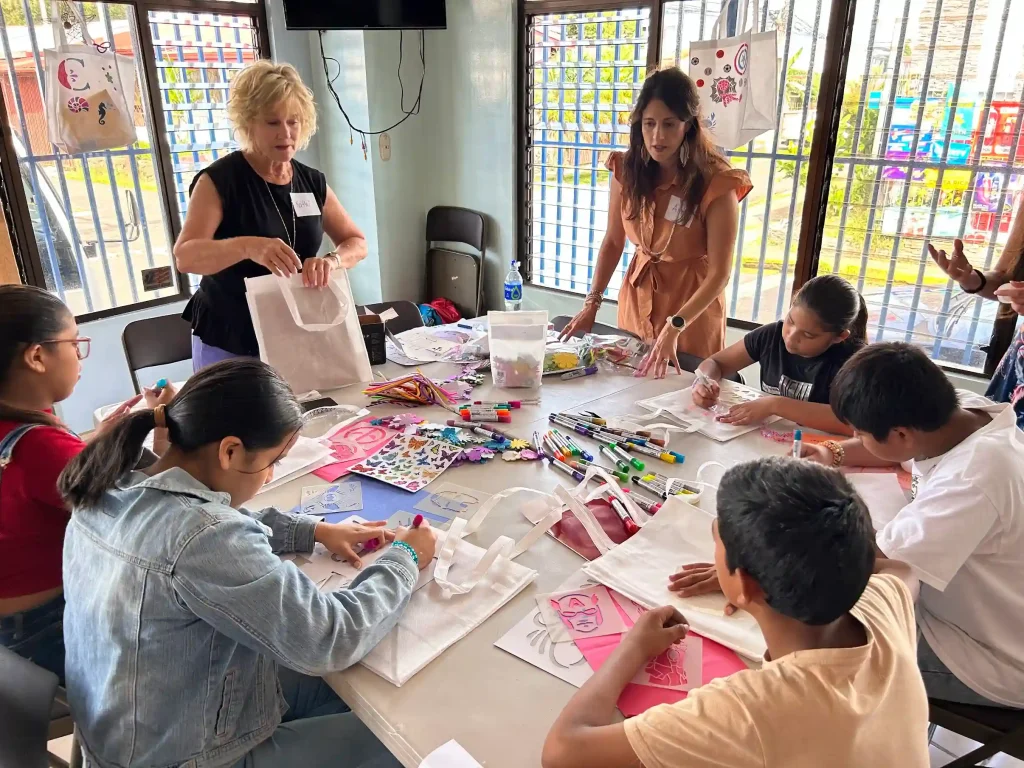
Volunteering while traveling abroad can be one of the most rewarding experiences of your life—if done responsibly. It offers the chance to connect with local communities, learn about different ways

When you’re traveling in a Spanish-speaking country, arranging private transportation—like a taxi, shuttle, or private driver—can feel a little intimidating if you don’t know what to say. Luckily, you don’t
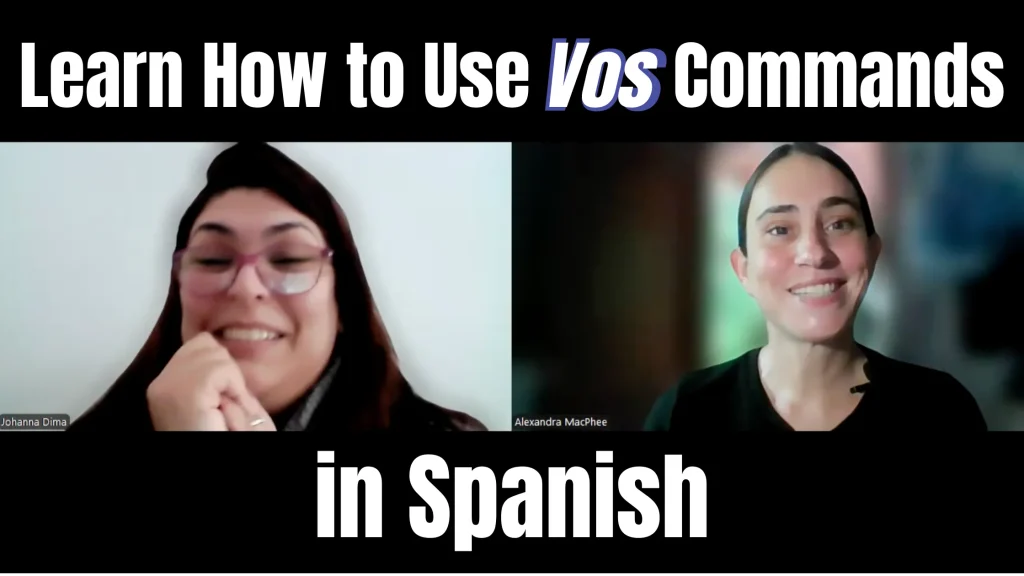
Do you want to learn how to use vos commands in Spanish? Are you ready to start telling people what to do or not to do using vos commands…. Mirá

If you’re planning to rent a car while traveling in a Spanish-speaking country, knowing a few key phrases in Spanish can make the process smoother and help you avoid unexpected

When working with Spanish-speaking patients, healthcare professionals often need to make gentle suggestions or offer alternatives—especially when discussing lifestyle or diet changes. Knowing how to say “instead of” in Spanish