
Common Medical Symptoms Vocabulary in Spanish
Being able to describe and understand common symptoms in Spanish is one of the most essential skills for healthcare professionals and Spanish learners alike. Whether you’re taking a patient history […]
Being able to describe and understand common symptoms in Spanish is one of the most essential skills for healthcare professionals and Spanish learners alike. Whether you’re taking a patient history […]
Asthma is a common chronic respiratory condition that affects millions of patients worldwide. For healthcare professionals working with Spanish-speaking patients, knowing how to discuss asthma symptoms, triggers, and medications in
Heart disease is one of the most common health concerns worldwide, making it essential for healthcare professionals to communicate clearly with Spanish-speaking patients. Whether you’re working in primary care, cardiology,
Learning how to talk about nausea in Spanish is an essential skill for beginners studying medical Spanish. Knowing the right vocabulary helps you to understand stomach discomfort clearly and confidently
When first meeting a patient, gathering basic demographic and administrative information is essential. For healthcare professionals working with Spanish-speaking patients, knowing how to ask these questions clearly and respectfully can

The holiday season often brings cold weather, travel, family gatherings… and unfortunately, more cases of influenza, colds, respiratory infections, and other winter illnesses. If you work with Spanish-speaking patients, this
If you work with Spanish-speaking patients in emergency medicine, primary care, sports medicine, or urgent care, you’ll often need to talk about concussions. Knowing how to describe symptoms, ask clear
If you work in healthcare or plan to volunteer in a Spanish-speaking country, it’s essential to know how to talk about common medical conditions in Spanish.In this post, we’ll review

Caring for newborns and counseling new parents can be one of the most delicate parts of medicine. Learning Spanish medical terms for newborn care will help you communicate clearly, answer
Working with older adults requires patience, compassion, and clear communication. For healthcare professionals and caregivers, speaking Spanish can make a big difference in building trust and ensuring safety. In this
Whether you’re about to start your journey to mastering medical Spanish or if you’ve already begun your mission to better serve your patients, this beginner’s guide to medical Spanish terms

If you work in healthcare knowing some useful phrases about dental health in Spanish can make a big difference. Dental care is an important part of overall health, and being

Learning medical Spanish can feel overwhelming at times. Between memorizing vocabulary, understanding grammar, and actually speaking with patients, it’s normal to feel stuck. But here’s the truth: You can learn
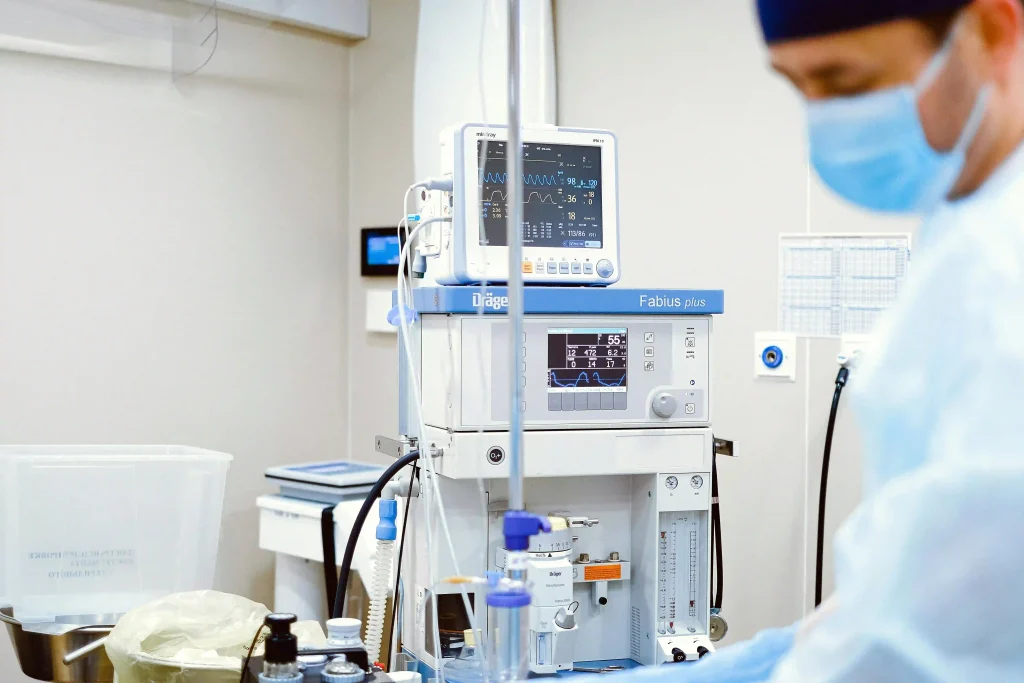
Working in the Intensive Care Unit (Unidad de Cuidados Intensivos – UCI) demands effective communication, especially for healthcare professionals who work with Spanish-speaking patients. In this blog, we’ll cover key

Delivering bad news is one of the most delicate responsibilities in healthcare—especially when doing so in another language. If you’re a healthcare provider working with Spanish-speaking patients, learning how to

When working with Spanish-speaking patients, healthcare professionals often need to make gentle suggestions or offer alternatives—especially when discussing lifestyle or diet changes. Knowing how to say “instead of” in Spanish

The phrase “hacer daño” in Spanish is one you’ll hear often—especially in medical conversations and everyday situations. Whether you’re talking about something causing pain, harm, or discomfort, this is the

“No es necesario hacer todos los cambios a la vez” When working with patients—especially in primary care, chronic disease management, or health education—you often need to encourage small, gradual changes.

Becoming proficient in healthcare Spanish is an invaluable asset for health professionals. It deepens patient connections, improves care, and can even save lives. While the journey may seem daunting, it’s

This Medical Spanish lesson focuses on Discussing Diagnoses in Spanish, including simple diagnosis vocabulary, tips for communicating more serious diagnoses and strategies for checking patient understanding Here is the Discussing

Let’s talk medical Spanish. There are many medical Spanish words and phrases that can stump a medical professional. Some words that have similar meanings can be interchangeable, but not always.

If you’re learning Spanish, you might have noticed that there are multiple ways to talk about pain. Words like dolor, duele, dolorido/adolorido, and doloroso can be confusing because they all
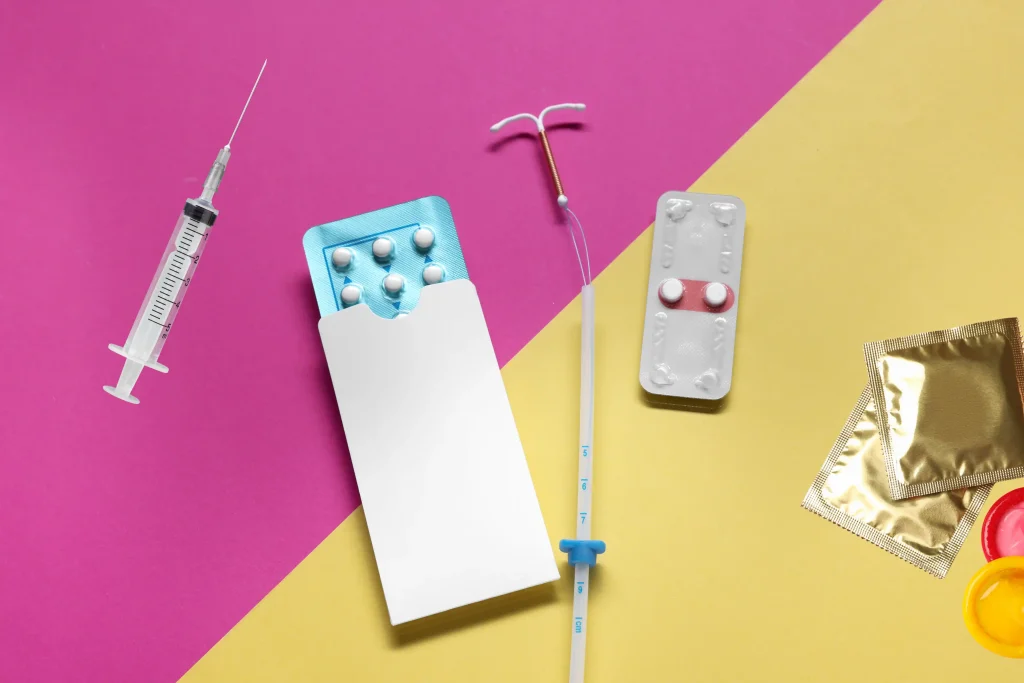
When discussing contraception in Spanish, it’s important to know the right terms, especially if you’re a healthcare professional or someone seeking information in a Spanish-speaking setting. In this post, we’ll

The word “cólicos” is commonly used to refer to abdominal cramps, including digestive cramps and menstrual cramps. However, in many Spanish-speaking countries, women often use “cólicos” specifically to refer to

When working with children in a medical setting or after an accident, it’s important to use calming and reassuring words. In Spanish, there are several key phrases you can use

This Medical Spanish lesson focuses on talking through the Labor & Delivery process in Spanish to your Spanish speaking patients. In today’s medical Spanish lesson, you will learn: Subscribe to

If you want to talk about acid reflux or heartburn in Spanish, there are different words you can use. Some terms are more common in certain countries, so let’s go

Feeling bloated is a common symptom, but how do you describe it in Spanish? There are several adjectives you can use, depending on the context. In this blog post, we’ll
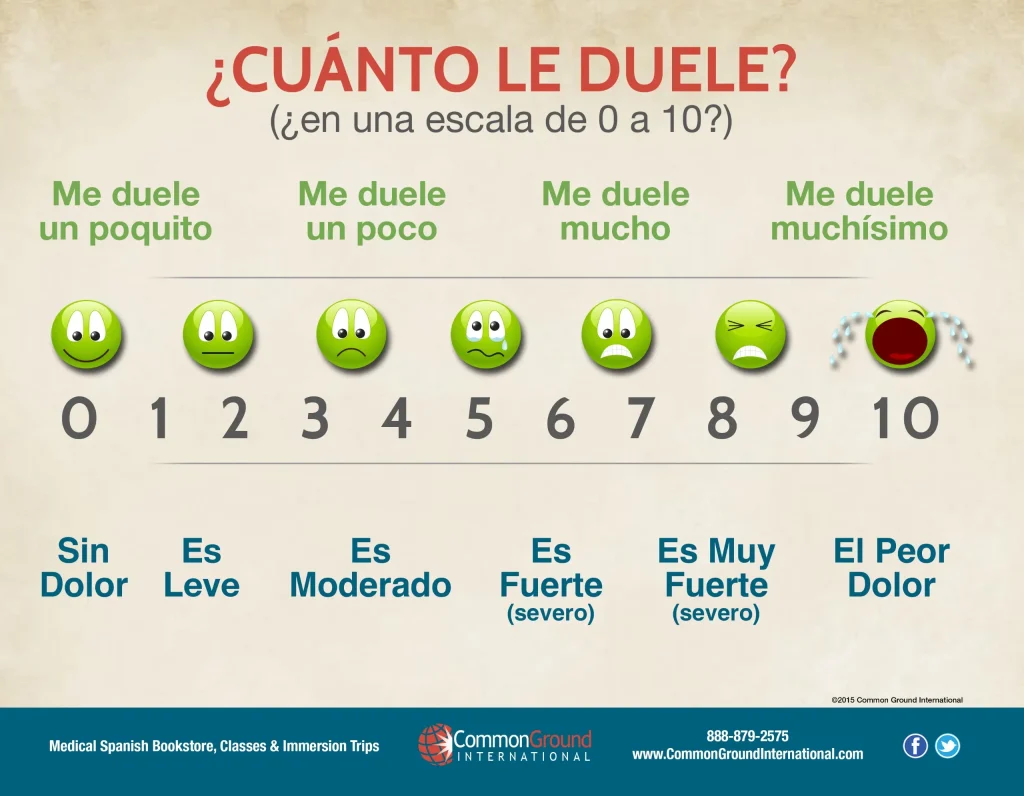
Here is the Pain in Spanish lesson I taught to the Facebook group: Subscribe to our YouTube Channel to see all of our lessons and get the latest videos right away!

When taking medication, it’s important to know how it might affect your sleep. Some medications can cause insomnia (insomnio), while others can make you sleepy (somnoliento). If you work in

When learning Medical Spanish, it’s important to understand the vocabulary for common illnesses, especially “cold” and “flu.” These two terms have distinct meanings, but their translations in Spanish can sometimes
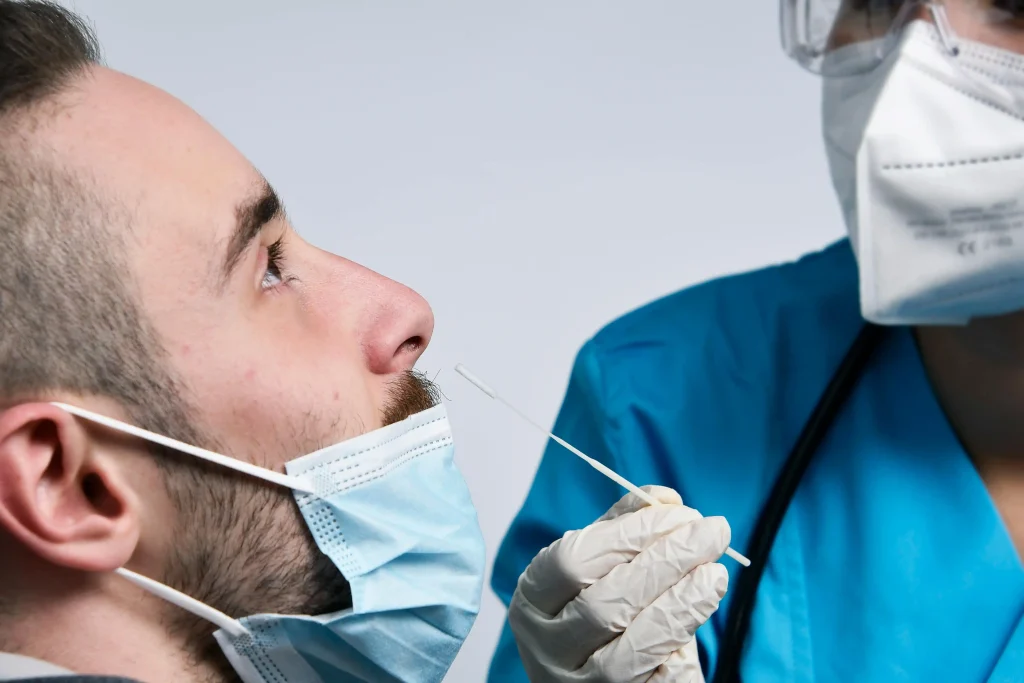
Translating the word “swab” into Spanish isn’t straightforward. It can mean different things depending on whether you’re referring to the noun (the physical tool) or the verb (the action of

When you talk about contraception in Spanish, you generally cover a handful of subtopics: cost, effectiveness, any STI protections, OTC vs prescriptions, etc. So in this free medical Spanish lesson,
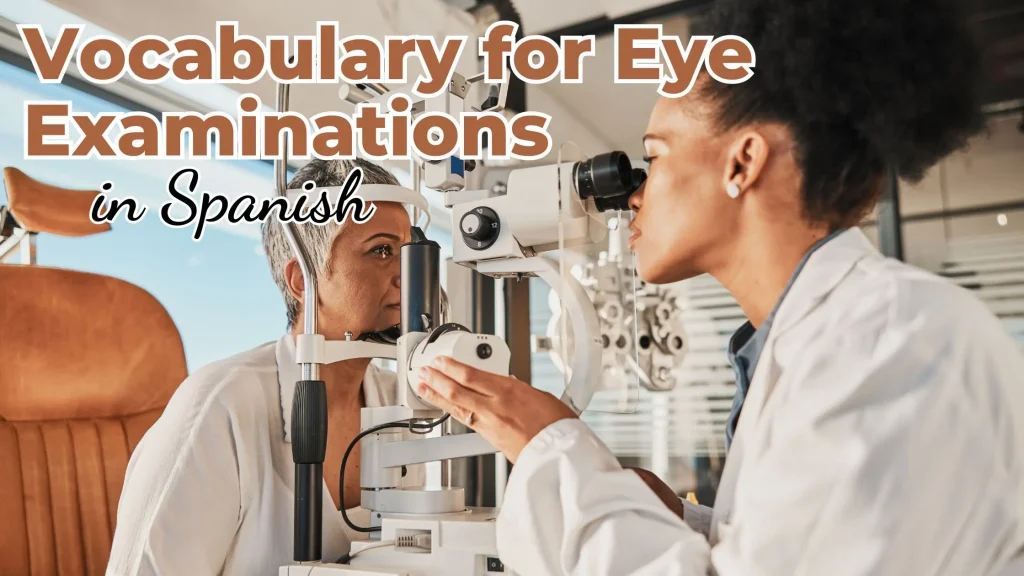
If you’re learning Spanish and want to talk about eye health or communicate during an eye examination, mastering some key terms can be incredibly helpful. Here’s a guide to common

Traveling can be an exciting experience, but it’s important to prepare for potential health risks and take precautions. Here are some common tips and advice you can share with patients

When working with Spanish-speaking patients or communities, understanding key substance abuse vocabulary is vital. This blog post introduces common terms related to substance use, addiction, and recovery, helping you communicate
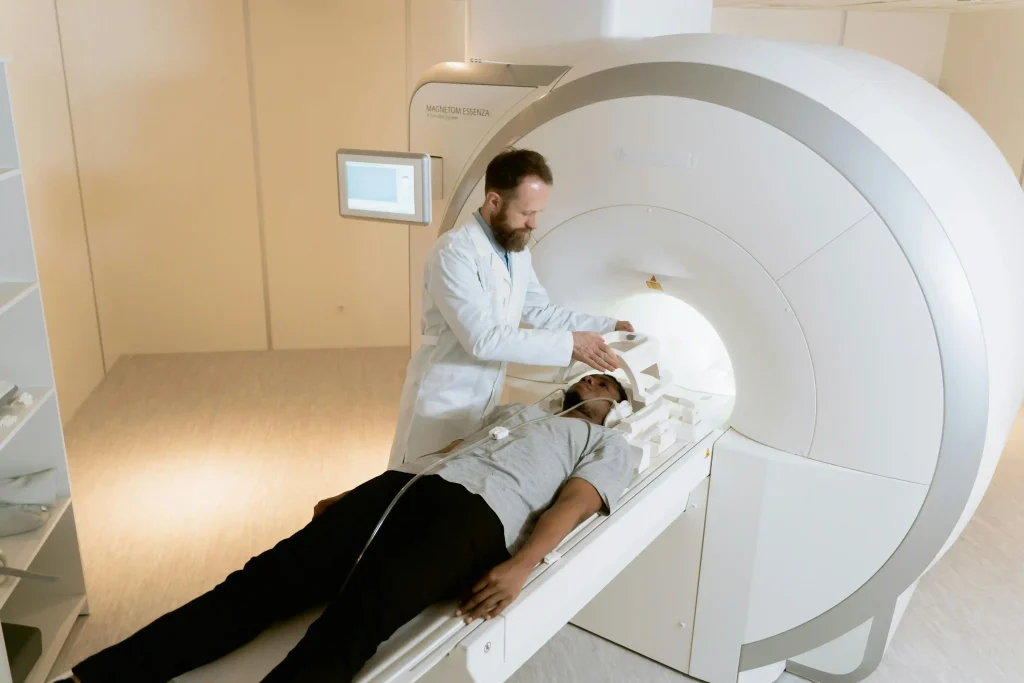
When discussing health in Spanish, knowing the names of common medical diagnostic tests can be incredibly helpful, especially for healthcare professionals or patients navigating medical appointments. Below, we cover essential
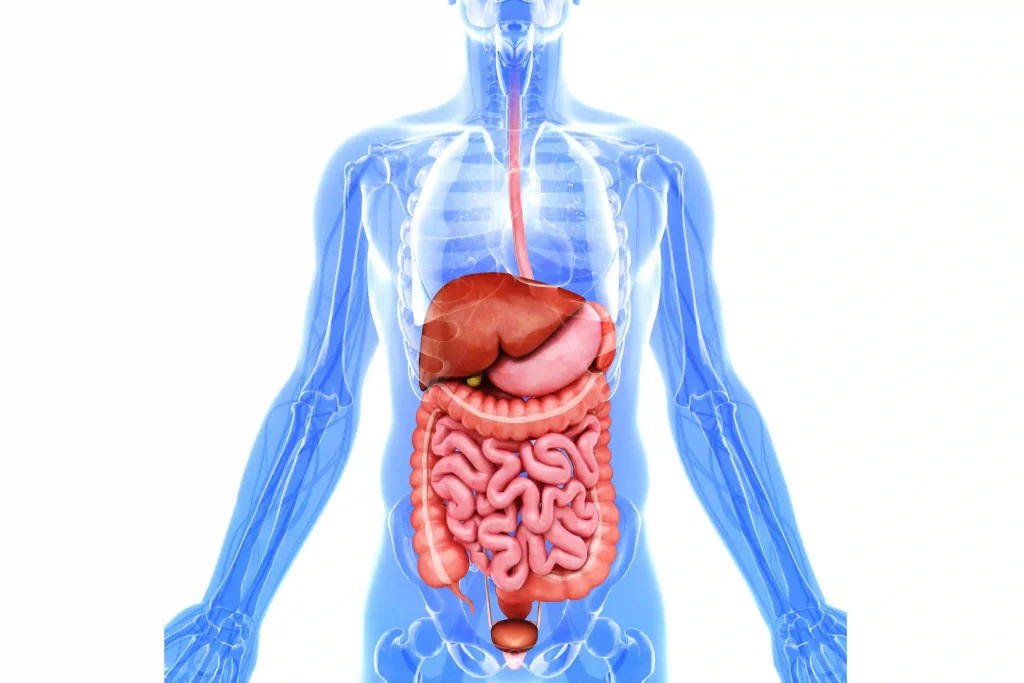
Learning how to describe body parts and their functions is an essential skill for communicating effectively in Spanish, especially in medical, educational, or conversational contexts. Spanish offers a variety of
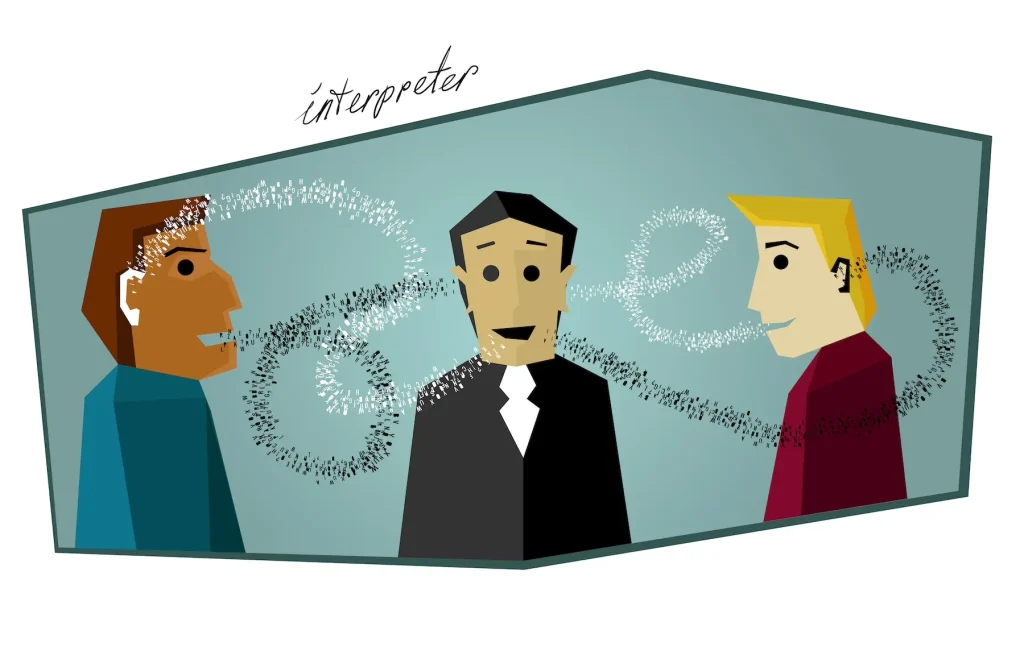
We instinctively know that bilingualism doesn’t mean that an individual is qualified to interpret in a medical setting, but what are the specific reasons? It’s unfortunately way too common of

In healthcare or daily conversations, asking someone if they feel dizzy can be essential. In Spanish, you can use different phrases depending on the type of dizziness they might be

When discussing skin rashes in Spanish, there are several terms you can use depending on the context or region. Common ways to say “skin rash” include erupción, salpullido, and un

In Spanish, the verb estar is commonly used to describe temporary conditions or states, including those affecting body parts. When talking about injuries or pain, estar helps to communicate the

This Medical Spanish lesson teaches you how to evaluate depression in Spanish using SIG E CAPS and PHQ-9 with your Spanish speaking patients. Subscribe to our YouTube Channel to see

When advising Spanish-speaking patients about breastfeeding, it’s essential to provide clear, supportive tips that promote the health of both mother and baby. Below are some useful breastfeeding tips, with their

Lo Que and Lo Cual are relative pronouns in Spanish… which means that they connect two clauses in a sentence. Lo que and lo cual are not gender specific; they’re

When you suspect a patient may be suffering from Irritable Bowel Syndrome (IBS), it’s important to ask targeted questions to understand their symptoms. Below are common questions healthcare professionals can

The verb “caerse” (to fall down) is reflexive, meaning that the action reflects back on the subject. It’s commonly used in medical consultations when patients describe incidents involving falls. In
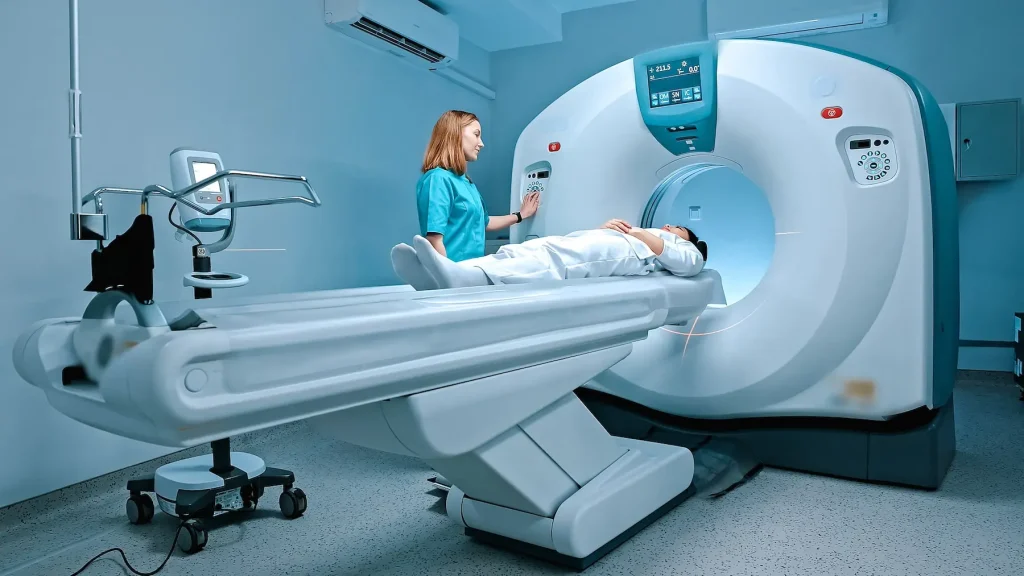
In this lesson, you will learn how to describe 7 common medical imaging techniques in Spanish The 7 medical imaging procedures described in this video are: Here is the medical

As a healthcare worker, it’s crucial to provide respectful and inclusive care to all patients. One important aspect of this is asking for and using patients’ preferred pronouns. While this

In recent years, there has been a shift in how we talk about addiction and substance-related issues. In English, the term “drug abuse” has evolved into the more accurate and