Regulatory Standards and ACCME Accreditation
The Accreditation Council for Continuing Medical Education (ACCME) is the governing authority for CME in the United States. To ensure the highest educational standards, all CME activities—including online modules, live webcasts, and Regularly Scheduled Series (RSS)—must meet rigorous criteria:
- Evidence-Based Content: Ensuring all educational materials are grounded in the latest clinical research and free from commercial influence.
- Licensure Compliance: Meeting the specific 20 to 50-hour annual requirements mandated by state medical boards and professional certifying bodies.
- Risk Mitigation: Addressing critical areas such as medical ethics, patient safety, and informed consent to reduce clinical liability.
National and State-Specific CE Requirements
Healthcare professionals must navigate a complex web of state-level mandates that vary significantly by jurisdiction. Understanding these requirements is essential for maintaining an active license:
- Physician Requirements: Most states require 40 to 50 credits of Category 1 CME every two years. States like California and Florida often include specific mandates for cultural competency and HIV/AIDS education.
- Nursing and NP Requirements: Nurse Practitioners generally require 30 to 50 contact hours, with a specific subset dedicated to pharmacology for those with prescriptive authority.
- PA Certification: Physician Assistants must earn 100 CME credits every two years, with at least 50 being Category 1 credits, to maintain NCCPA certification.
Structured CME Learning Formats for Busy Clinicians
To accommodate the demanding schedules of modern healthcare, we utilize a tiered educational model designed for maximum accessibility and retention.
| Course Format | Methodology | Professional Outcome |
|---|---|---|
| Online CME Modules | Self-paced video lectures and case studies. | Mastery of foundational clinical and linguistic topics with 24/7 access. |
| Regularly Scheduled Series (RSS) | Ongoing virtual sessions on chronic care and ethics. | Continuous professional development and real-time peer networking. |
| Free Online CME | Accredited, no-cost foundational modules. | Accessible path to initial credit fulfillment and skill assessment. |
| Specialty-Specific Tracks | Focused training for ER, Oncology, and Primary Care. | Deep-dive expertise in high-stakes clinical verticals. |
Clinical Specialization: A Deep-Dive into Specialty Outcomes
CME is most effective when it aligns with a provider’s specific scope of practice. High-utility education addresses the nuanced challenges inherent in specialized medical fields, ensuring that the curriculum translates directly to the bedside.
- Neurology and Acute Care: CME in these fields focuses on rapid assessment protocols, stroke intervention, and the communication of complex neurological diagnoses. For providers serving Spanish-speaking patients, this involves mastering the terminology of sensory deficits and cognitive testing.
- Obstetrics and Women’s Health: Training encompasses prenatal care, high-risk pregnancy management, and reproductive ethics. Educational modules often focus on facilitating informed consent during labor and delivery, a high-stakes environment where linguistic precision is paramount.
- Pediatrics and Family Medicine: Content is centered on developmental milestones, immunization protocols, and pediatric pharmacology. These courses emphasize the “Triadic Encounter”—communicating effectively with both the pediatric patient and their Spanish-speaking guardians.
- Oncology and Palliative Care: Curriculum addresses the complexities of long-term treatment plans, clinical trial enrollment, and end-of-life care. Emphasis is placed on empathetic communication and cultural health beliefs regarding terminal illness.
The Digital Transformation of Modern CME
The transition from traditional conferences to digital learning has revolutionized how healthcare professionals engage with continuing education. Modern CME platforms now prioritize user experience and data-driven tracking:
- Mobile-First Learning: Clinicians can now access accredited modules during transition periods in their clinical shift, allowing for “micro-learning” that fits into a demanding schedule.
- Automated Compliance Tracking: Integrated dashboards allow users to monitor their progress toward state-mandated credit hours, with automated certificate issuance and cloud-based storage for easy retrieval during audits.
- Asynchronous Interaction: The rise of video-on-demand and interactive quizzes allows for a self-paced approach that ensures mastery of the material before moving to advanced clinical topics.
- Virtual Live Integration: Webcasts and live-streaming RSS allow for real-time interaction with subject matter experts, maintaining the social and collaborative aspects of medical education without the need for travel.
Enhancing Patient Safety Through Linguistic Competency
A primary driver for Medical Spanish CME is the reduction of adverse events in clinical settings. Language barriers are statistically linked to longer hospital stays and a higher rate of medical errors. Our curriculum addresses these risks through:
- Accurate Patient Intake: Ensuring the medical history is captured without the loss of nuance that occurs with untrained ad-hoc interpreters.
- Medication Adherence: Providing clear, direct instructions in the patient’s native language regarding dosages, side effects, and contraindications.
- Informed Consent Integrity: Verifying that the patient truly understands the risks and benefits of a procedure, fulfilling a core legal and ethical requirement.
Establishing a Longitudinal Learning Plan
Selecting the optimal CME course requires a strategic assessment of career goals and regulatory needs. Healthcare professionals should prioritize:
- Accreditation Verification: Confirming that the provider is ACCME-accredited to ensure credits are recognized for license renewal.
- Clinical Relevance: Choosing topics that match daily patient interactions, such as emergency medicine or cardiology.
- Digital Integration: Utilizing platforms that offer automated certificate issuance and progress tracking to streamline administrative compliance.
- Public Health Impact: Selecting courses that enhance the provider’s ability to serve marginalized or limited-English-proficient (LEP) communities, thereby improving health equity.
Professional Advocacy and Lifelong Learning
Fulfilling CE requirements is a tangible demonstration of a clinician’s commitment to lifelong learning. By maintaining an active educational account and consistently engaging with updated clinical guidelines, healthcare professionals position themselves as leaders in their fields. This dedication not only ensures the retention of credentials but fosters a culture of excellence and trust within the communities they serve. Through the integration of linguistic skills and clinical updates, providers are better equipped to meet the challenges of a diverse and evolving healthcare landscape.
Benefits of CME Courses for Your healthcare Career
Our CME courses provide key advantages for healthcare professionals:
Meet Licensure Needs:
Fulfill state and board requirements, such as the 30 hours of CME every 5 years in some regions or specific U.S. state mandates.
Flexible Learning:
Benefit from a learner-centered approach that supports ongoing professional development and high-quality patient care.

Online CME:
Courses can be completed entirely online at your own pace, allowing you to fit learning into your schedule.
Flexible Access:
Enjoy convenient access to course materials anytime, anywhere.

Cost Efficiency:
Take advantage of opportunities to save on tuition or course fees through available discounts.
Enhance Patient Safety:
Apply best practices to minimize errors and elevate care quality.
Sign up here to join our next session!
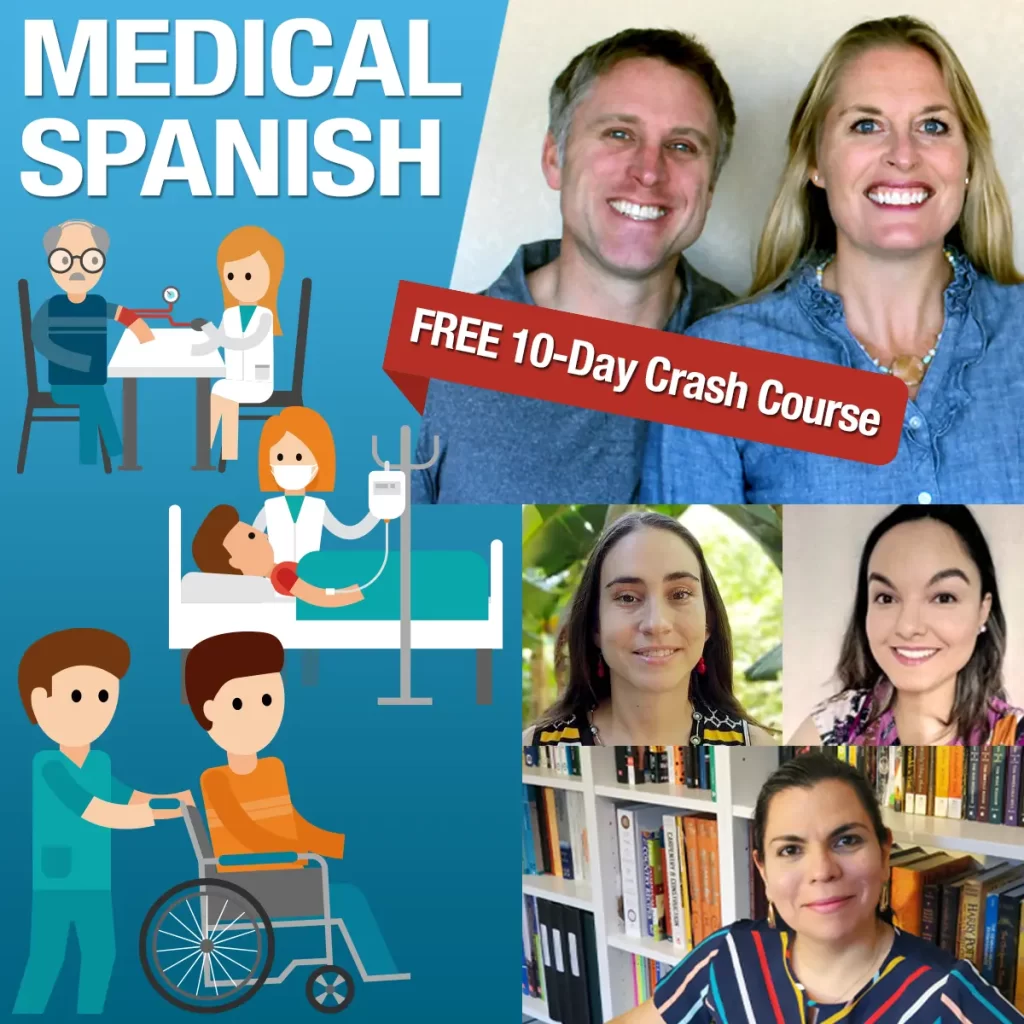
Types of CME Courses Available
Common Ground International offers diverse CME formats to fit your busy schedule:
- Online CME Courses: Self-paced modules with video lectures, case studies, and quizzes, ideal for flexible learning.
- Free Online CME Courses: Access accredited free online CME courses at no cost, providing convenient education for medical professionals.
- Regularly Scheduled Series (RSS): Join ongoing virtual sessions
Features of Our CME Courses
Common Ground International’s CME programs are designed with quality in mind:
▪ Accreditation: Approved by leading accrediting bodies, ensuring credits count toward licensure and certification.
▪ Expert-Led Content: Delivering reliable education.
▪ Relevant Topics: Cover medical ethics and patient safety.
▪ Flexible Access: Available 24/7 online with mobile-friendly options and downloadable resources for convenience.
▪ Practical Focus: Designed to enhance clinical decision-making and improve patient outcomes through real-world applications.
▪ Easy Account Creation: Create a free online account to access courses and manage your educational activities.
▪ Track Progress: See which courses you have completed and monitor your progress directly in your account.
▪ Receive Certificates: Upon course completion, receive certificates automatically.
CME Providers and Accreditation
The Accreditation Council for Continuing Medical Education (ACCME) serves as the leading authority for accrediting continuing medical education (CME) providers in the United States. To offer CME credits, organizations such as medical schools, hospitals, and professional associations must meet the rigorous standards set by the ACCME. This ensures that all CME activities—whether online courses, conferences, or workshops—deliver high-quality, evidence-based education that supports the ongoing development of medical professionals, including physicians, nurse practitioners, and physician assistants.
Accredited CME providers are committed to maintaining the highest standards of medical education. The ACCME’s accreditation process is thorough and ongoing, requiring providers to submit regular reports and undergo periodic reviews to ensure their programs remain current, unbiased, and relevant. These standards also include strict guidelines for commercial support, guaranteeing that CME activities are free from commercial influence and focused solely on advancing medical knowledge and skills.
Medical professionals can easily verify a provider’s accreditation status through the ACCME’s website or by contacting the provider directly. By choosing accredited CME providers, healthcare professionals can be confident that the courses they complete will count toward their licensure and certification requirements, while also supporting their commitment to delivering quality patient care. Accredited CME activities play a vital role in helping clinicians stay up-to-date, meet professional standards, and improve outcomes for the patients and communities they serve.
Continuing Education Requirements
Continuing education (CE) is a cornerstone of professional practice for medical professionals, including physicians, nurse practitioners, and physician assistants. To maintain licensure and certification, most healthcare professionals are required to complete a set number of CE credits each year—typically ranging from 20 to 50 hours, depending on state regulations and professional guidelines.
These requirements are designed to ensure that clinicians remain current with the latest medical knowledge, skills, and best practices, ultimately supporting high-quality patient care. Accredited CE activities can take many forms, including online courses, live conferences, workshops, and other educational programs. To count toward licensure, these activities must be accredited by recognized bodies such as the ACCME.
Medical professionals can earn CE credits by participating in a variety of CME courses offered by accredited organizations, including medical schools, hospitals, and professional societies. Failing to meet CE requirements can result in penalties, including the loss of licensure or certification, making it essential for clinicians to stay on top of their continuing education.
State medical boards, professional organizations, and accrediting bodies establish and oversee these requirements, ensuring that healthcare professionals are competent and up-to-date in their field. Many professionals use online platforms and tools to track their CE credits and manage their ongoing learning, making it easier to meet requirements and maintain their credentials. By fulfilling CE requirements, medical professionals demonstrate their dedication to lifelong learning and their commitment to delivering the highest standard of care to their patients.
CME and Medical Specialties
Continuing medical education (CME) is especially important for medical professionals working in specialized fields such as neurology, obstetrics, pediatrics, and more. Specialty-specific CME activities are designed to help clinicians stay current with the latest advances, research, and best practices relevant to their area of expertise.
Each medical specialty, from cardiology to oncology, may have unique CME requirements and recommendations. Medical professionals in these fields are encouraged to complete CME activities that address the specific challenges and developments within their specialty. Accredited CME providers—including medical schools and professional organizations—offer a wide range of specialty-focused online courses, conferences, and workshops to meet these needs.
By engaging in CME activities tailored to their specialty, clinicians can deepen their knowledge on topics such as chronic rhinosinusitis, pregnancy, or practice management, and develop new skills that directly impact patient care. The Accreditation Council for Continuing Medical Education (ACCME) ensures that these activities meet high standards for quality, relevance, and evidence-based content.
Participating in specialty-specific CME not only helps medical professionals maintain their licensure and certification, but also demonstrates their commitment to ongoing professional development and excellence in patient care. By staying up-to-date with the latest science and clinical practices, healthcare professionals in all specialties can continue to deliver the best possible outcomes for their patients.
How to Select the Right CME Course
Choose the best CME course by considering:
1. Accreditation: Ensure it meets your state or board requirements.
2. Relevance: Select courses aligned with your specialty or by specific topic, like cardiology or emergency medicine, to ensure the content matches your learning needs.
3. Format Flexibility: Pick online, live, or hybrid options based on your schedule.
4. Career Goals: Choose programs that support your professional aspirations, from primary care to specialized practice.
5. Cost Efficiency: Explore affordable options tailored to your budget and credit needs.
Many CME courses are designed to help healthcare professionals improve public health outcomes through enhanced knowledge and skills. Join our community to stay informed about new courses, updates, and opportunities for ongoing support.
Frequently Asked Questions
Start Your CME Journey Today
Common Ground International’s CME courses empower healthcare professionals to stay current, meet requirements, and excel in patient care. Join our CME community to connect with other learners and primary care physicians, and benefit from collaborative continuing medical education initiatives.
Explore our CME courses today to thrive in the evolving healthcare landscape.