
What Level Can a Teen Realistically Reach in 2–4 Weeks?
A teen can make meaningful Spanish progress in 2–4 weeks of immersion, but the realistic level achieved depends on three things: starting proficiency, daily exposure, and participation. Two to four weeks is long enough to produce measurable gains in comprehension and speaking confidence, and it often creates a noticeable shift in how naturally Spanish comes to the teen.
The most realistic way to describe outcomes is not “fluency” but “functional ability.” Many teens return able to understand more, speak more, and handle real-life communication with less hesitation. That’s a real achievement, especially over a short period.
A Practical Way to Think About Levels
Many programs describe levels using:
- Beginner / Intermediate / Advanced
- Or CEFR-style levels (A1, A2, B1, B2, C1) CEFR is the Common European Frame of Reference
A teen can move within a level range or make partial progress toward the next level in 2–4 weeks. Moving an entire CEFR band in a month is possible for some learners, especially at beginner stages, but it is not guaranteed and depends heavily on immersion intensity.
Two weeks is often the minimum timeframe where immersion begins to “rewire” language habits. In two weeks, many teens:
- Improve listening comprehension noticeably
- Build confidence speaking short sentences
- Expand high-frequency vocabulary
- Improve pronunciation through repetition
- Learn practical phrases used in daily life
A beginner often finishes two weeks able to handle basic communication and understand common phrases. An intermediate learner often becomes more conversational and less dependent on translation.
Three weeks often brings a shift from “I can survive” to “I can participate.” Many teens:
- Speak in longer sentences
- Ask questions more naturally
- Understand more Spanish spoken at normal speed
- Improve grammar accuracy in common patterns
- Gain conversation stamina
This is often when teens start feeling comfortable speaking even when they don’t have perfect words.
Four weeks is enough time for deeper consolidation. Many teens:
- Become more fluid in everyday conversation
- Improve comprehension across different speakers
- Build broader vocabulary (school, food, activities, emotions)
- Reduce hesitation and increase speaking speed
- Use more natural phrasing and rhythm
A strong four-week immersion often creates lasting confidence. The teen returns with a real sense of “I can do this.”
Student
Parent
Realistic Outcomes by Starting Level
In 2–4 weeks, many beginners move into basic conversational ability. They often
- Handle greetings and introductions
- Ask and answer basic questions
- Describe simple needs and preferences
- Understand common daily Spanish
- Use basic present tense patterns
They may still make frequent errors, but they can communicate.
In 2–4 weeks, many low intermediates become more conversational. They often:
- Speak in longer sentences
- Use past and future patterns more comfortably
- Understand more Spanish at speed
- Build confidence participating in conversation
Intermediate teens often gain:
- Faster comprehension
- More natural conversation rhythm
- Greater vocabulary range
- Better accuracy in common grammar patterns
- More cultural competence in real-life language use
They may not “jump” to advanced, but they often return stronger and more fluent.
What Prevents Progress in Short Programs
Even in 2–4 weeks, some factors can limit outcomes:
- Staying silent due to embarrassment
- Spending most free time in English
- Limited structure outside of class
- Overreliance on other English-speaking students
- Anxiety that blocks participation
A program that creates structured Spanish practice outside class tends to produce stronger results.
How Programs Measure Progress
Many immersion experiences measure progress through:
- Placement tests at the start
- Instructor observation
- Speaking exercises and conversation tasks
- Listening comprehension activities
- Final evaluation or feedback sessions
Even without formal tests, teens usually feel the difference in their ability to understand and respond.
What “Realistically Reach” Means for Families
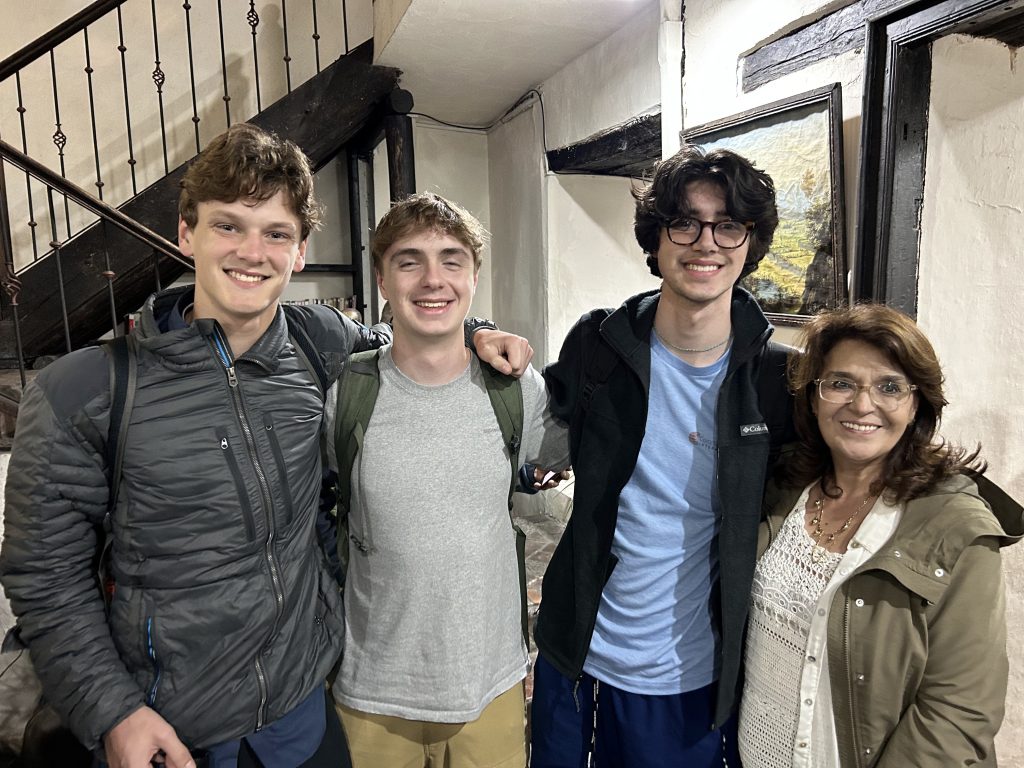
Families often want a clear label like “fluent.” The better question is:
- Can the teen understand everyday Spanish more easily?
- Can they respond without freezing?
- Can they handle basic real-life interactions?
- Do they feel more confident?
In most cases, the answer after 2–4 weeks is yes, especially if the teen participates consistently.
How to Maximize Progress Within 2–4 Weeks
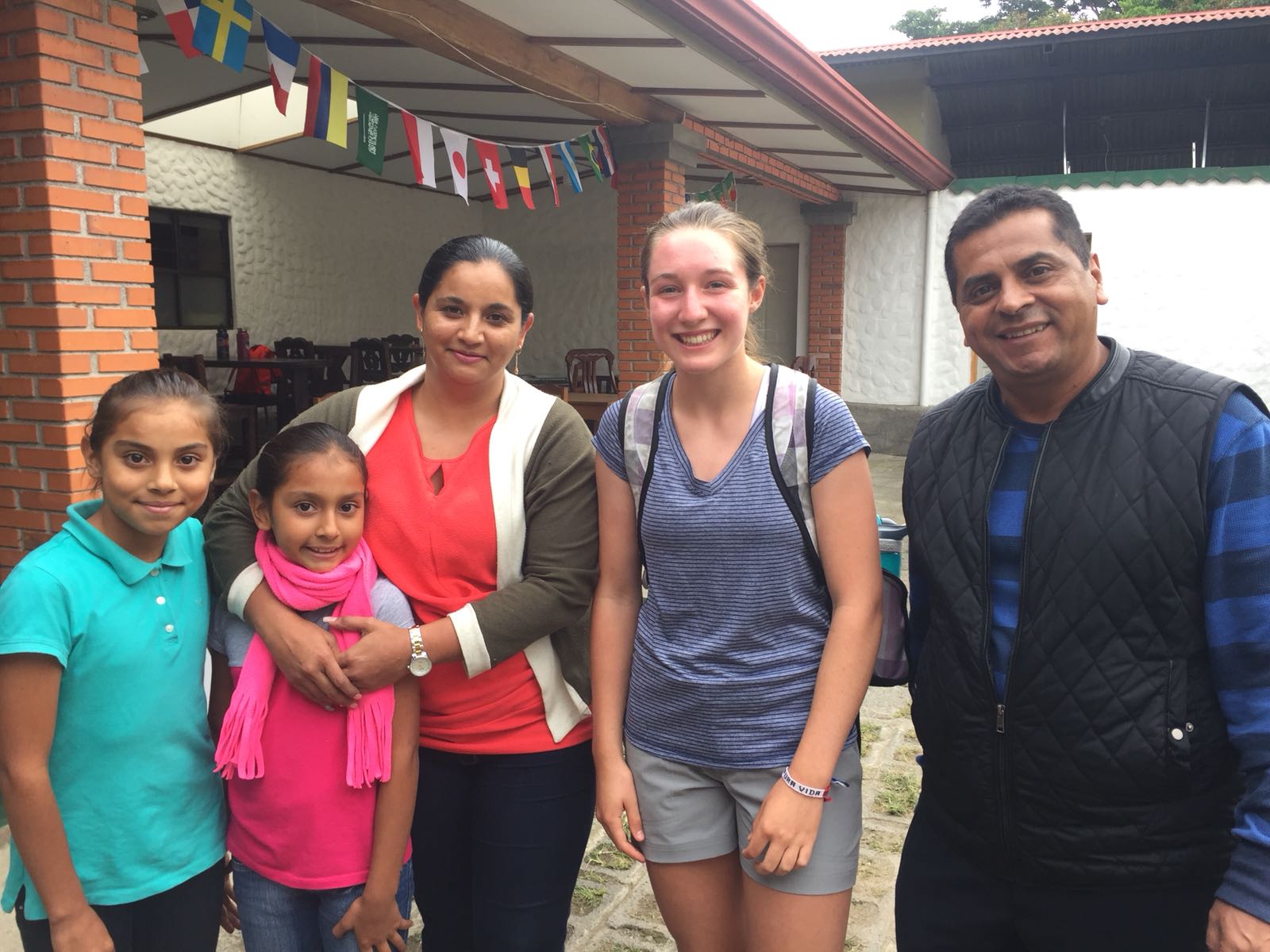
To get the most out of the timeline:
- Use Spanish daily outside class
- Practice speaking even with errors
- Ask for clarification instead of switching to English
- Build a daily habit of learning high-frequency phrases
- Review a few new words each night
- Seek conversation opportunities with native speakers
These habits support real gains without overwhelming the teen.
Common Ground International
Impacting Communities Through Language
© 2026. All Rights Reserved.
(888) 879-2575