
What Ages Are These Programs Best For?
Spanish immersion programs for teens are generally best for students who are developmentally ready to handle a new environment while still being in a strong window for language learning. Most teen programs are built around middle school and high school ages, but the “best” age depends more on maturity, learning style, and support needs than a specific number.
Immersion can work for younger teens and older teens, but the ideal program structure changes with age. Some teens thrive with independence and exploratory learning. Others succeed with close supervision, clear routines, and strong peer support. The best age is often the age when a teen can actively participate, ask for help when needed, and engage with Spanish consistently without shutting down from stress.
The Two Most Important Factors: Readiness and Support
Age is a useful guideline, but readiness matters more. Two teens of the same age can have very different experiences depending on:
- Emotional maturity and adaptability
- Comfort in new settings
- Willingness to speak even when imperfect
- Ability to follow rules and schedules
- Comfort with unfamiliar food, routines, or cultural differences
Support matters just as much:
- A supervised program reduces risk and stress
- A structured schedule prevents “English fallback”
- A clear communication plan helps parents and teens feel secure
When readiness and support align, teens tend to progress quickly.
Typical Age Ranges in Teen Immersion
Most teen Spanish immersion programs are designed for a defined age band. Common program groupings include:
- Early teens: students typically transitioning into adolescence
- Mid teens: students in the heart of high school
- Older teens: students preparing for college and adulthood
Programs often separate students by age and Spanish level to keep instruction and activities appropriate.
Building Confidence and Language Foundations
Younger teens often benefit from immersion because they are still highly flexible learners and may be less self-conscious than older students. With the right structure, they can make strong gains in listening and speaking because they are willing to try.
However, early teens often need:
- More supervision throughout the day
- More structure during transitions and activities
- Clear expectations around phone use and social time
- Emotional support for homesickness or anxiety
- Guidance on how to participate with host families or peers
For early teens, the “best” immersion programs are often those that emphasize routine, safety, and supportive staff. When the environment is stable, younger students tend to thrive.
Rapid Gains With Structured Challenge
Mid-teen learners often make significant progress because they can handle challenges while still absorbing language quickly. They may have enough independence to navigate new experiences but still benefit from structured supervision.
This age group often responds well to:
- Daily Spanish classes with conversation emphasis
- Cultural activities that force interaction in Spanish
- Group assignments that require collaboration
- Real-world practice like ordering food, asking directions, or participating in guided activities
Mid teens are often ideal candidates for 2–4 week programs because they can tolerate intensity and maintain engagement for multiple weeks.
Goal-Oriented Learning and Practical Fluency
Older teens often approach immersion with clearer goals. They may be preparing for:
- College programs that require Spanish
- Future travel, study abroad, or internships
- Career paths where Spanish is valuable
- More advanced language proficiency
Older teens often benefit from:
- More advanced conversation practice
- Increased writing and academic Spanish support
- Higher-level grammar and accuracy
- Cultural discussions and real-world topics
They may also handle more independence, but supervision is still important in teen-specific programs.
Student
Parent
Best Ages for Different Program Formats
Different immersion formats tend to fit different ages and personalities.
Host families can be powerful for language growth, but success depends on the teen’s ability to engage at home. This format can work well for teens who:
- Are socially open and willing to try speaking
- Can handle family routines and expectations
- Are comfortable with more interpersonal interaction
Some teens benefit from additional structure so the homestay doesn’t become passive.
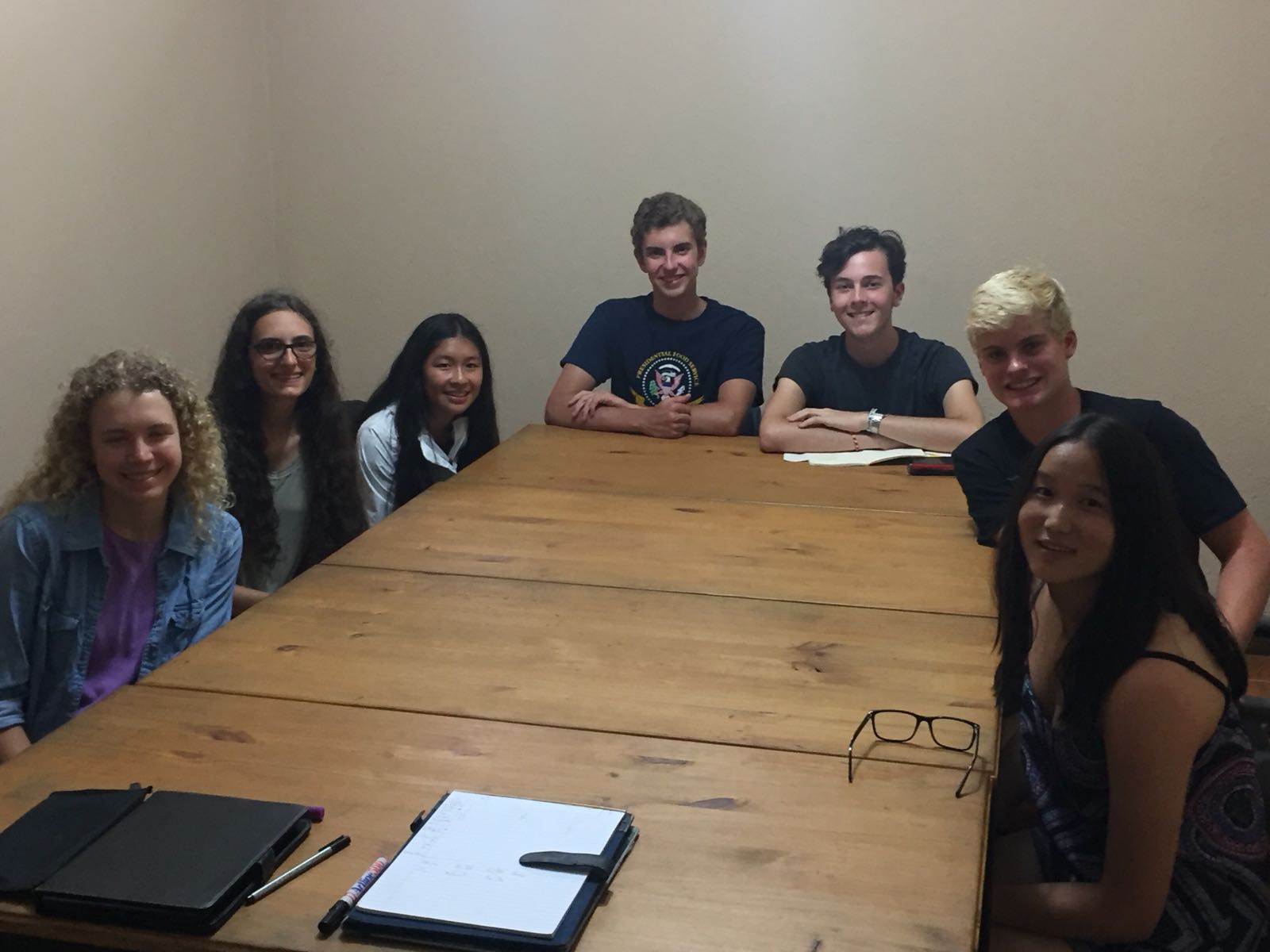
This can work well for teens who want peer support and a supervised environment. The program can still be immersive if Spanish use is structured in class and activities.
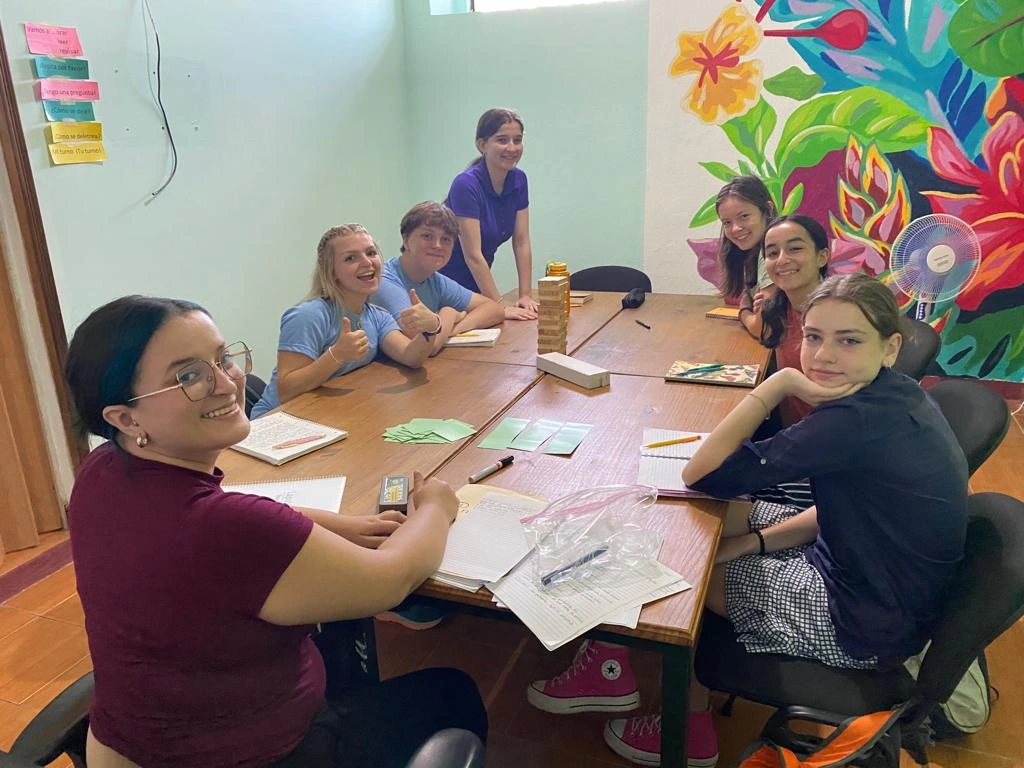
This fits a wide range of ages because it offers predictable routine and clear learning outcomes. It is often a strong option for teens who do best with school-style structure.
Learning Style Matters More Than Age
A teen’s learning style is often the deciding factor in whether immersion feels energizing or overwhelming.
Teens who do well in immersion often:
- Are willing to make mistakes
- Can tolerate ambiguity and uncertainty
- Stay curious rather than shutting down
- Participate even when tired or embarrassed
Teens who may need additional preparation include those who:
- Avoid speaking in groups
- Experience high social anxiety
- Have difficulty with change or transitions
- Become easily overwhelmed by new environments
The solution is often the right program structure, not skipping immersion entirely.
How Long Should a Teen Go?
Program length can affect age fit. Shorter programs can be a good “trial” for younger teens. Longer programs can work well for older teens who have clear goals.
Two to four weeks is common for meaningful progress. It is long enough to:
- Adjust to the environment
- Begin thinking in Spanish
- Build conversation stamina
- Leave with measurable gains
A Practical Checklist for Choosing the Right Age Fit
Instead of asking “What age is best?”, use these questions:
- Can the teen follow a structured schedule reliably?
- Can they ask for help if they are confused?
- Are they willing to speak imperfect Spanish?
- Do they handle change without major shutdown?
- Will they participate in class and activities?
- Do they want immersion, or is it parent-driven?
When the teen wants it and the program is structured well, the results are usually much stronger.
Common Ground International
Impacting Communities Through Language
© 2026. All Rights Reserved.
(888) 879-2575