Are Teen Spanish Immersion Trips Safe?

Safety is one of the most common concerns families have about teen Spanish immersion trips, and it should be. A teen immersion experience involves travel, new environments, new routines, and increased independence. The safest teen immersion programs are those built specifically for youth, with structured supervision, clear rules, careful planning, and communication systems that support both teens and parents.

This page explains what “safe” typically looks like in teen immersion programs, what families should evaluate, and how to reduce risk through structure and preparation.

What “Safety” Means in a Teen Immersion Context

Safety is not one feature. It’s a system. In teen immersion travel, safety usually includes:

  • Supervision and staff oversight
  • Housing safety (host family or supervised residence)
  • Controlled transportation and transitions
  • Clear schedules and check-ins
  • Emergency planning and communication
  • Medical forms and health procedures
  • Rules, boundaries, and curfews

A safe program is not one that promises “no risk.” It is one that manages risk through planning and supervision.

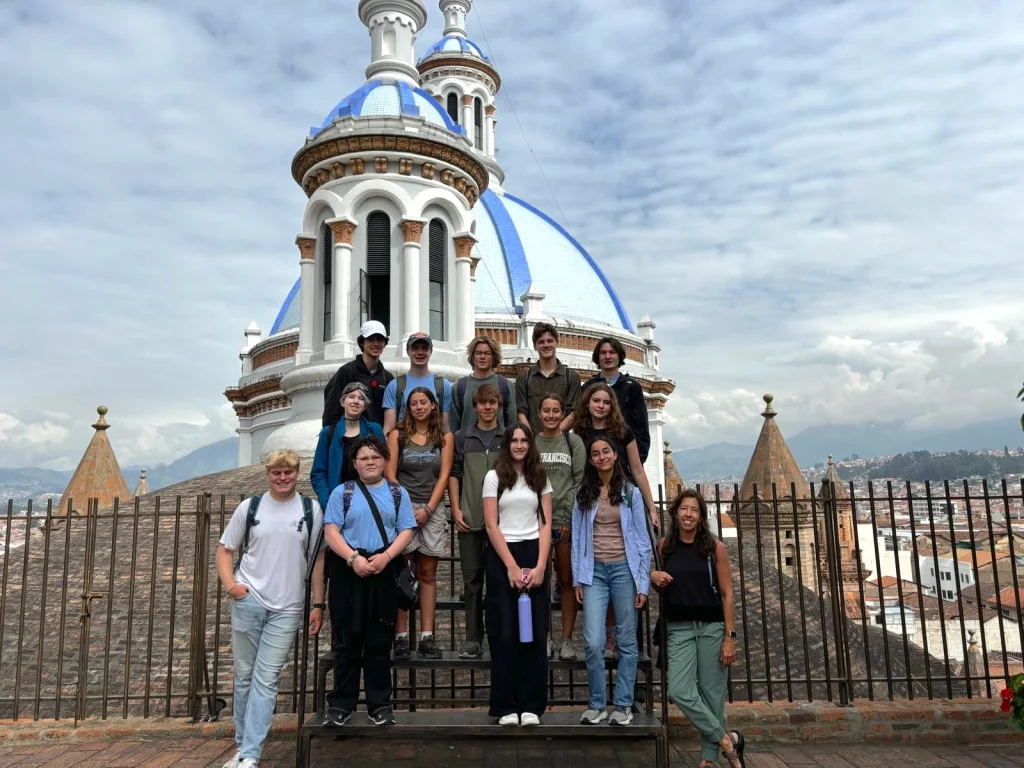
Cuenca High School Spanish Immersion
Supervision and Staff Structure
Housing: Host family stays
I went on the 2 week immersion trip and it was one of the best experiences of my life! I got to speak Spanish everyday and learn a lot about the culture. I got to step out of my comfort zone and make new friends. I really enjoyed all the excursions we went on, and feel like I am a much better Spanish speaker now. I would highly recommend this program!
Simone

Student

My fifteen year old daughter completed a two week immersion program in Costa Rica. She had an amazing time meeting other teens, staying with a wonderful host family, taking Spanish classes, and volunteering. She also really loved the trips to Manuel Antonio beach and Arenal and has requested to return for a three week program next year.
Sheryl Reto

Parent

Transportation and Daily Movement

Health and Medical Safety

Communication and Emergency Planning

A safe program has a clear communication system. This may include:

Families should not have to guess how communication works. Clarity is part of safety.

Rules, Boundaries, and Teen Behavior

Teen trips are safest when expectations are clear. Programs commonly use:

Rules are not about control for its own sake. They create predictability and reduce risk.

Common Safety Concerns and How Good Programs Address Them
Emotional Safety Matters Too
How Families Can Improve Safety Before the Trip

Bottom Line: Are They Safe?

Teen Spanish immersion trips can be safe when they are youth-specific, structured, supervised, and well-managed. Families should focus on the program’s safety systems: supervision, housing oversight, communication, and planning.

Shopping Cart
Scroll to Top