Who Medical Spanish Courses Are Designed For
Medical Spanish courses are intended for a wide range of healthcare professionals who interact with Spanish-speaking patients. These courses are commonly used by physicians, nurses, medical assistants, allied health professionals, and other clinical staff.
Administrative and support staff who communicate with patients may also benefit from structured medical Spanish training. Courses are typically adapted to accommodate different roles and levels of patient interaction.
By focusing on real-world use cases, medical Spanish courses help learners apply language skills directly to their daily work.

How Medical Spanish Courses Are Structured
Medical Spanish courses vary in structure depending on delivery format and learning objectives. Some courses are designed for short-term intensive learning, while others are spread out over longer periods to support gradual skill development.
Course structures may include guided lessons, interactive exercises, role-based scenarios, and assessments that reinforce comprehension. Many medical spanish programs focus on functional language use rather than memorization, helping learners build confidence through repetition and application.
A well-designed medical Spanish course balances language instruction with practical context so learners can use what they learn immediately.
Medical Spanish Courses vs General Spanish Classes
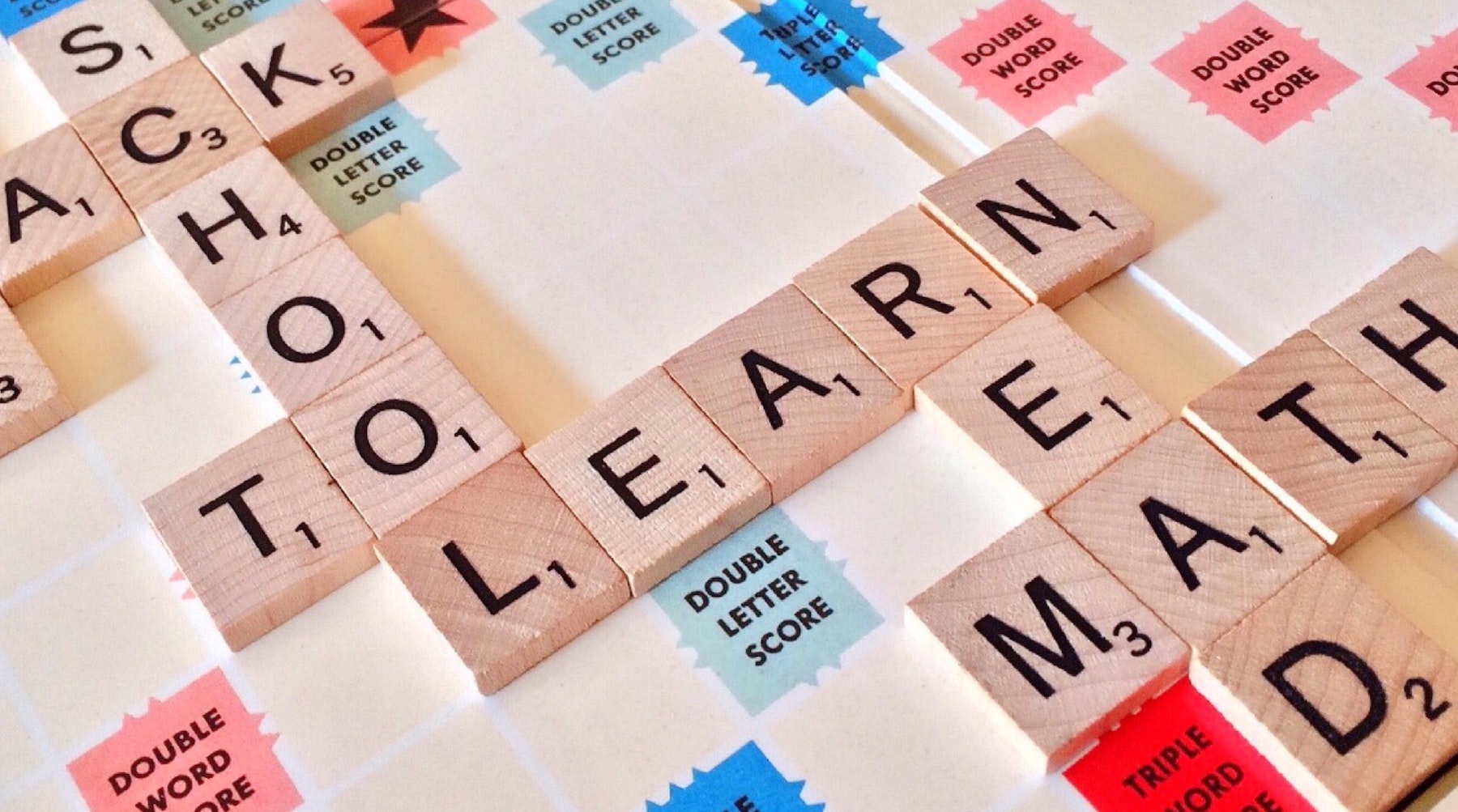
One of the most important distinctions is the difference between medical Spanish courses and general Spanish language classes. General Spanish courses focus on everyday conversation and grammar, while medical Spanish courses focus on healthcare-specific communication.
Medical Spanish courses introduce terminology related to anatomy, symptoms, treatments, and patient care. They also address cultural considerations that influence communication in medical settings.
This specialization makes medical Spanish courses more relevant and efficient for healthcare professionals compared to general language programs.
Core Topics Covered in Medical Spanish Courses
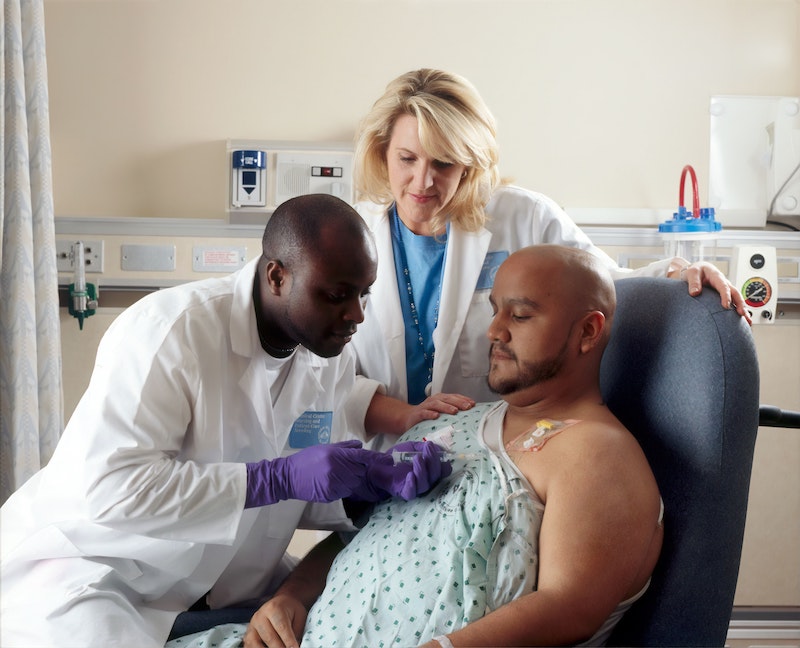
Medical Spanish courses typically cover a range of topics that reflect real clinical interactions. These topics are selected to support clear communication while maintaining patient safety and understanding.
Common subject areas include patient greetings, medical history questions, symptom descriptions, medication discussions, and explanations of procedures. Courses may also address informed consent, follow-up instructions, and culturally sensitive communication practices.
By focusing on practical scenarios, medical Spanish courses help learners build usable skills rather than theoretical knowledge alone.
Levels and Learning Progression
Medical Spanish courses are often designed to accommodate different starting levels. Some learners may have prior Spanish experience, while others are beginning with limited exposure.
Courses may be structured to support foundational communication first, followed by more advanced clinical language. This progression helps learners develop confidence before moving into complex conversations.
Clear progression allows healthcare professionals to build skills at a pace that aligns with their experience and responsibilities.
Outcomes of Medical Spanish Courses
The primary outcome of medical Spanish courses is improved communication between healthcare providers and Spanish-speaking patients. Effective courses help learners feel more confident initiating conversations, asking questions, and explaining medical information.
Improved communication can support patient understanding, comfort, and trust. Courses that emphasize accuracy and cultural awareness help reduce miscommunication in clinical settings.
Medical Spanish courses are designed to support better interactions rather than replace professional interpretation when required.
The Role of Curriculum in Medical Spanish Courses
A structured curriculum is essential to the effectiveness of medical Spanish courses. Curriculum design ensures that lessons build logically and cover essential communication skills without unnecessary complexity.
Strong curricula align language instruction with real clinical scenarios. This allows learners to see immediate relevance and apply skills in practice.
Medical Spanish curriculum quality plays a major role in determining how useful and sustainable language learning will be.

How Medical Spanish Courses Fit Into Professional Development
For many healthcare professionals, medical Spanish courses are part of broader professional development efforts. These courses support communication skills that are increasingly important in diverse care environments.
Organizations may integrate medical Spanish training into onboarding, continuing education, or patient care initiatives. Individual providers may pursue courses to enhance confidence and effectiveness in daily interactions.
Medical Spanish courses support long-term growth by addressing real communication needs.
Choosing the Right Medical Spanish Course

Choosing the right medical Spanish course involves understanding goals, time availability, and learning preferences. Not all courses are designed the same, and outcomes depend on structure, instruction, and relevance.
Healthcare professionals benefit most from courses that emphasize practical application, structured learning, and cultural understanding. Courses should align with real-world use rather than academic language study.
Evaluating course design helps ensure that training efforts produce meaningful results.
Common Ground International
Impacting Communities Through Language
© 2026. All Rights Reserved.
(888) 879-2575