
Are Teen Spanish Immersion Trips Safe?
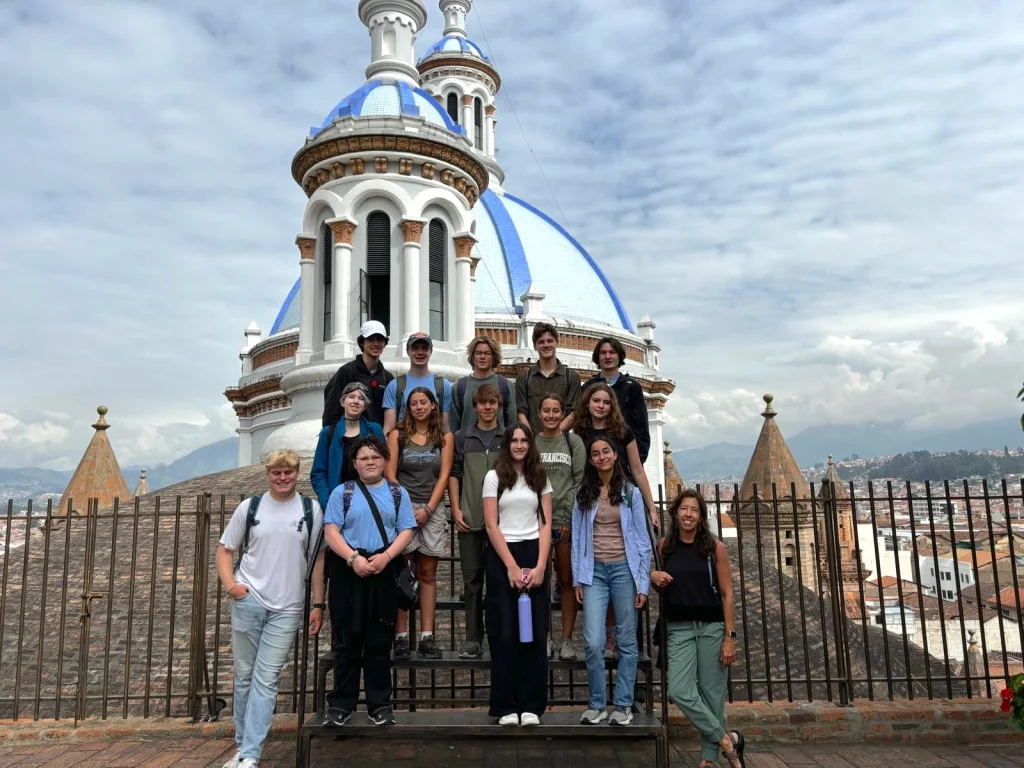
Safety is one of the most common concerns families have about teen Spanish immersion trips, and it should be. A teen immersion experience involves travel, new environments, new routines, and increased independence. The safest teen immersion programs are those built specifically for youth, with structured supervision, clear rules, careful planning, and communication systems that support both teens and parents.
This page explains what “safe” typically looks like in teen immersion programs, what families should evaluate, and how to reduce risk through structure and preparation.
What “Safety” Means in a Teen Immersion Context
Safety is not one feature. It’s a system. In teen immersion travel, safety usually includes:
- Supervision and staff oversight
- Housing safety (host family or supervised residence)
- Controlled transportation and transitions
- Clear schedules and check-ins
- Emergency planning and communication
- Medical forms and health procedures
- Rules, boundaries, and curfews
A safe program is not one that promises “no risk.” It is one that manages risk through planning and supervision.

Teen immersion programs are safest when they are designed for youth, not adapted from adult travel. Key supervision practices often include:
- Staff present during activities and transitions
- Clear meeting points and headcounts
- Rules for movement in groups
- Defined boundaries for free time
- Curfews and accountability
Families should look for clarity. If supervision language is vague, that is a red flag. A well-run teen program can describe supervision in plain terms.
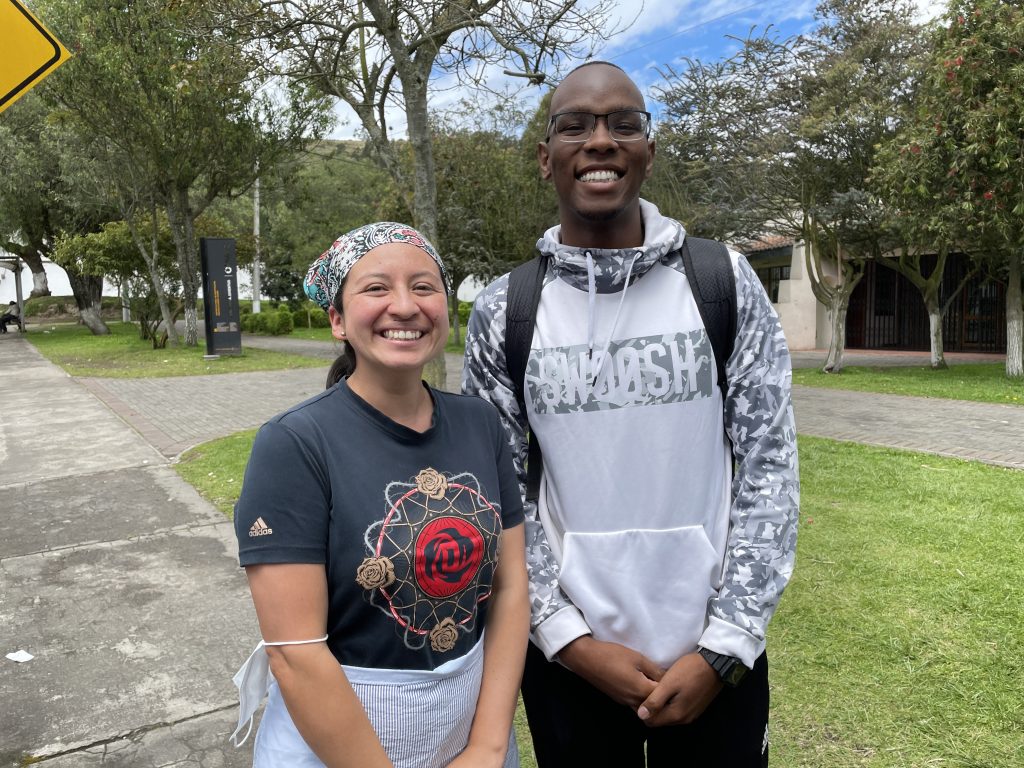
Host families can provide a stable routine and built-in support. Safety depends on careful selection and clear program oversight. Families should look for:
- Screening and selection processes
- Clear expectations for teen behavior and routines
- A communication plan for concerns
- Program staff oversight and support
Student
Parent
Transportation and Daily Movement
Many safety issues come from transitions: getting from one place to another. Strong teen programs typically:
- Provide planned transportation or supervised movement
- Avoid unstructured travel for teens
- Use clear meeting points and schedules
- Maintain staff oversight throughout excursions
Families should pay attention to how a program manages transportation days, excursions, and transitions between housing and activities.
Health and Medical Safety
Safety includes health planning. A well-run teen program typically requires:
- Medical forms
- Allergy and medication information
- Emergency contacts
- Procedures for illness or injury
- Guidance on medication storage and administration (as applicable)
Families should also clarify how the program handles routine needs such as minor illness, doctor visits, or unexpected health issues.
Communication and Emergency Planning
A safe program has a clear communication system. This may include:
- Emergency contact procedures
- A way for teens to reach staff
- A plan for parent communication
- Clear instructions for what happens in emergencies
Families should not have to guess how communication works. Clarity is part of safety.
Rules, Boundaries, and Teen Behavior
Teen trips are safest when expectations are clear. Programs commonly use:
- Curfews
- Rules around leaving housing
- Boundaries around free time
- Expectations for respectful behavior
- Consequences for violations
Rules are not about control for its own sake. They create predictability and reduce risk.
Families often worry about:
- Teens getting separated from the group
- Unsafe transportation or unplanned travel
- Lack of supervision during “free time”
- Communication breakdowns
- Housing discomfort or mismatch
- Homesickness or anxiety
Good programs reduce these risks by planning schedules, supervising transitions, supporting emotional adjustment, and creating clear communication pathways.
Teen travel is not just physical safety. Emotional safety matters. Programs that support teens well often include:
- Staff trained to work with teens
- Clear routines that reduce stress
- Support for homesickness
- Encouragement without shame
- A culture where asking for help is normal
This matters because stressed teens are more likely to disengage or make poor choices.
Families can reduce risk by preparing the teen:
- Review rules and expectations clearly
- Practice independence skills (packing, time management)
- Discuss how to ask for help
- Set realistic expectations about discomfort and adjustment
- Encourage participation and respectful communication
Teens do better when the trip is presented as a structured responsibility, not just a vacation.
Bottom Line: Are They Safe?
Teen Spanish immersion trips can be safe when they are youth-specific, structured, supervised, and well-managed. Families should focus on the program’s safety systems: supervision, housing oversight, communication, and planning.
Common Ground International
Impacting Communities Through Language
© 2026. All Rights Reserved.
(888) 879-2575